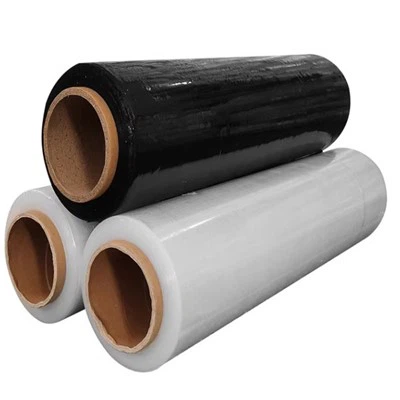
As a supplier of stretch wrap plastic film, I often get asked about the various applications of our product. One question that has come up more frequently lately is whether stretch wrap plastic film can be used for wrapping books. In this blog post, I'll explore this topic in detail, discussing the advantages, potential drawbacks, and best practices for using stretch wrap plastic film to protect books.
Advantages of Using Stretch Wrap Plastic Film for Wrapping Books
Protection Against Dust and Moisture
One of the primary benefits of using stretch wrap plastic film to wrap books is its ability to protect them from dust and moisture. Dust can accumulate on books over time, causing them to look dirty and potentially damaging the pages. Moisture, on the other hand, can lead to mold growth and warping of the pages. Stretch wrap plastic film creates a barrier that prevents dust and moisture from reaching the books, keeping them clean and in good condition.
Improved Durability
Stretch wrap plastic film is a strong and flexible material that can provide an extra layer of protection for books. It can help prevent the covers from getting damaged during handling and transportation, reducing the risk of wear and tear. This is especially important for valuable or rare books that need to be protected.
Easy Application and Removal
Stretch wrap plastic film is relatively easy to apply and remove. You can simply wrap the film around the book and secure it with a few cuts or by using a dispenser. When you need to access the book, you can easily remove the film without leaving any residue. This makes it a convenient option for both short-term and long-term storage.
Cost-Effective
Compared to other types of book protection methods, such as book covers or boxes, stretch wrap plastic film is a cost-effective solution. It is relatively inexpensive and can be purchased in large rolls, making it suitable for wrapping multiple books.
Potential Drawbacks of Using Stretch Wrap Plastic Film for Wrapping Books
Limited Breathability
One of the potential drawbacks of using stretch wrap plastic film is its limited breathability. If the film is wrapped too tightly around the book, it can trap moisture inside, leading to mold growth. To avoid this, it's important to ensure that the film is not wrapped too tightly and that there is some air circulation around the book.
Aesthetic Concerns
Some people may find that the appearance of stretch wrap plastic film on books is not very aesthetically pleasing. The film can make the books look less professional or elegant, especially if it is not applied neatly. However, this is a matter of personal preference, and some people may not mind the appearance of the film.
Potential for Static Electricity
Stretch wrap plastic film can generate static electricity, which can attract dust and other particles. This can be a problem if you are using the film to protect books, as it can make the books look dirty. To reduce the risk of static electricity, you can use an Anti Static Stretch Film, which is designed to minimize static buildup.
Best Practices for Using Stretch Wrap Plastic Film to Wrap Books
Choose the Right Type of Film
There are different types of stretch wrap plastic film available, each with its own properties and characteristics. When choosing a film for wrapping books, it's important to consider the thickness, strength, and clarity of the film. A clear film is often preferred, as it allows you to see the contents of the book without having to remove the film. You can find a variety of clear stretch wrap films on our website, such as Clear Stretch Wrap Film.
Prepare the Books
Before wrapping the books, it's important to prepare them properly. Remove any dust or debris from the books using a soft brush or cloth. If the books have any loose pages or covers, you may want to repair them before wrapping. This will help ensure that the books are protected and that the film adheres properly.


Apply the Film Correctly
When applying the stretch wrap plastic film, it's important to do it carefully to ensure that the film is evenly wrapped around the book. Start by placing the book on a flat surface and positioning the film at one end of the book. Slowly wrap the film around the book, making sure to apply even pressure and avoid any wrinkles or bubbles. You can use a dispenser or your hands to apply the film. Once the book is completely wrapped, cut the film and secure it with a few cuts or by using a dispenser.
Store the Wrapped Books Properly
After wrapping the books, it's important to store them properly to ensure that they are protected. Store the books in a cool, dry place away from direct sunlight and moisture. You can stack the books on a shelf or in a storage container, but make sure that they are not overcrowded. This will help prevent the books from getting damaged and ensure that the film remains intact.
Conclusion
In conclusion, stretch wrap plastic film can be a useful tool for wrapping books. It provides protection against dust and moisture, improves durability, and is easy to apply and remove. However, it's important to be aware of the potential drawbacks, such as limited breathability and aesthetic concerns, and to follow the best practices for using the film. If you have any questions or need further information about using stretch wrap plastic film to wrap books, please don't hesitate to contact us. We are a leading supplier of Stretch Film for Pallet Wrapping and other types of stretch wrap plastic film, and we would be happy to help you find the right solution for your needs.
References
- "The Benefits of Using Stretch Wrap Plastic Film for Book Protection." Packaging World, 2023.
- "How to Choose the Right Stretch Wrap Plastic Film for Your Books." Packaging Digest, 2023.
- "Best Practices for Wrapping Books with Stretch Wrap Plastic Film." Book Storage Solutions, 2023.