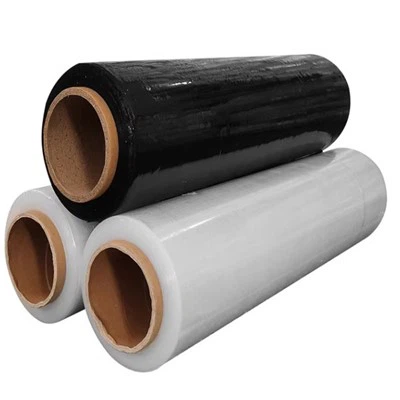
Can wrapping film be used to cover a door? This is a question that many people might wonder about, and as a wrapping film supplier, I'm here to explore this topic in depth.
Understanding Wrapping Film
Wrapping film, also known as stretch film, is a versatile plastic film commonly used for packaging purposes. It has elastic properties that allow it to stretch and tightly wrap around objects, providing stability and protection. There are different types of wrapping films available in the market, each with its own unique features and applications.


For example, Stretch Film for Pallet Wrapping is specifically designed to secure palletized goods during transportation and storage. It offers high tensile strength and excellent load-holding capabilities. On the other hand, Anti Static Stretch Film is formulated to prevent static electricity build - up, which is crucial when packaging sensitive electronic components. And Pre-stretched Pallet Wrapping Film is pre - stretched during the manufacturing process, reducing the amount of force required to stretch the film during use and saving time and effort.
Using Wrapping Film to Cover a Door
Now, let's consider the idea of using wrapping film to cover a door. There are several scenarios where this might be a practical solution.
Temporary Protection
One of the main reasons to use wrapping film on a door is for temporary protection. For instance, during home renovation projects, doors can be easily damaged by paint splatters, dust, or scratches. By covering the door with wrapping film, you can create a protective barrier that shields the door from these potential hazards. The film adheres well to the surface of the door and can be easily removed once the renovation is complete, leaving the door in its original condition.
Privacy and Light Control
Wrapping film can also be used to enhance privacy or control the amount of light entering a room. Some types of wrapping film are opaque or semi - opaque, which can block the view from the outside while still allowing some light to filter through. This can be particularly useful for bedrooms, bathrooms, or offices where privacy is desired. Additionally, if you want to reduce the amount of sunlight entering a room to prevent furniture from fading or to create a more comfortable environment, a light - blocking wrapping film can be a great option.
Insulation
In colder climates, wrapping film can act as an additional layer of insulation for doors. By covering the door with a thick, insulating wrapping film, you can reduce heat loss through the door and keep your home warm. The film creates an airtight seal, which helps to prevent drafts and maintain a more consistent indoor temperature. This can lead to energy savings and a more comfortable living environment.
Advantages of Using Wrapping Film on Doors
- Cost - Effective: Wrapping film is relatively inexpensive compared to other door protection or modification options. You can purchase a large roll of wrapping film at a reasonable price and use it to cover multiple doors.
- Easy Application: Applying wrapping film to a door is a simple process that can be done by anyone. You don't need any special tools or skills. Just cut the film to the appropriate size, apply it to the door, and smooth out any air bubbles.
- Removable: Unlike permanent door treatments such as painting or installing new panels, wrapping film can be easily removed without leaving any residue or damage to the door. This makes it a great option for temporary solutions or if you want to change the look or function of the door in the future.
Considerations
While using wrapping film on doors has many benefits, there are also some considerations to keep in mind.
- Quality of the Film: Not all wrapping films are suitable for covering doors. You need to choose a high - quality film that is strong, durable, and has good adhesion properties. A low - quality film may tear easily or not adhere properly, which can defeat the purpose of using it.
- Surface Compatibility: The film should be compatible with the surface of the door. Some doors may have a textured or porous surface, which can make it more difficult for the film to adhere. In such cases, you may need to prepare the surface before applying the film or choose a film that is specifically designed for textured surfaces.
- Appearance: Depending on the type of film you choose, the appearance of the door may change. Some films may have a shiny or matte finish, which can affect the overall look of the door. You should consider the aesthetic aspect and choose a film that complements the style of your home or office.
Conclusion
In conclusion, wrapping film can indeed be used to cover a door, and it offers several advantages in terms of protection, privacy, light control, and insulation. As a wrapping film supplier, we offer a wide range of high - quality wrapping films that are suitable for various door applications. Whether you are looking for a temporary protection solution during renovation, a way to enhance privacy, or an insulation option for your door, we have the right product for you.
If you are interested in purchasing wrapping film for your door or have any questions about our products, we encourage you to contact us for a detailed discussion. Our team of experts is ready to assist you in finding the best wrapping film solution for your specific needs.
References
- Packaging Industry Handbook: This comprehensive guide provides in - depth information about different types of packaging materials, including wrapping film.
- Building Science Journal: Articles in this journal discuss the use of various materials for insulation and protection in buildings, which is relevant to the use of wrapping film on doors.