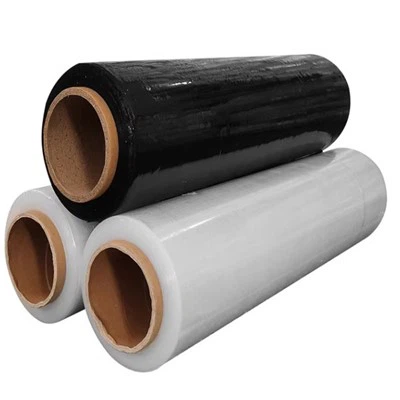
As a leading supplier of Anti Static Stretch Film, I've had the privilege of witnessing firsthand the remarkable versatility of this product across a multitude of industries and surfaces. Anti static stretch film is not just any packaging material; it's a specialized solution designed to address unique challenges presented by static electricity and diverse surface characteristics. In this blog, we'll explore how anti static stretch film interacts with different surfaces, highlighting its benefits and applications in various scenarios.
Understanding Anti Static Stretch Film
Before delving into its interactions with different surfaces, let's briefly understand what anti static stretch film is. Anti static stretch film is a type of stretch film that has been engineered to minimize the generation and accumulation of static electricity. Static electricity can cause several problems in packaging, such as attracting dust and debris, interfering with electronic components, and creating a shock hazard. By using anti static stretch film, these issues can be effectively mitigated, ensuring a safe and clean packaging environment.


Anti static stretch film is typically made from polyethylene or other plastic materials with the addition of anti static agents. These agents work by either dissipating static charges or preventing their formation in the first place. The result is a film that not only provides the strength and flexibility required for secure packaging but also offers protection against the harmful effects of static electricity.
Interaction with Smooth Surfaces
Smooth surfaces, such as glass, metal, and some plastics, are common in many industries, including electronics, automotive, and food packaging. When anti static stretch film is applied to smooth surfaces, it adheres tightly and evenly, providing excellent protection and stability.
One of the key benefits of using anti static stretch film on smooth surfaces is its ability to prevent static charges from building up. Static electricity can cause dust and debris to cling to the surface of the product, which can be particularly problematic in industries where cleanliness is crucial, such as electronics manufacturing. anti static stretch film helps to eliminate this issue by dissipating static charges, keeping the surface clean and free from contaminants.
In addition to preventing static buildup, anti static stretch film also provides a protective barrier against scratches, abrasions, and moisture. This is especially important for delicate or sensitive products, such as glassware or electronic components, which can be easily damaged during transportation or storage. The stretchability of the film allows it to conform to the shape of the product, providing a snug fit that helps to prevent movement and minimize the risk of damage.
For example, in the electronics industry, anti static stretch film is commonly used to package circuit boards, hard drives, and other electronic components. The film helps to protect these components from static electricity, dust, and moisture, ensuring that they arrive at their destination in perfect condition. Similarly, in the food packaging industry, anti static stretch film is used to wrap products such as fresh produce, meat, and cheese. The film helps to keep the products fresh and prevents them from drying out or spoiling.
Interaction with Rough Surfaces
Rough surfaces, such as wood, concrete, and some textiles, pose a different set of challenges when it comes to packaging. Unlike smooth surfaces, rough surfaces have irregularities and protrusions that can make it difficult for the film to adhere evenly. However, anti static stretch film is designed to overcome these challenges.
The stretchability of anti static stretch film allows it to conform to the contours of rough surfaces, providing a tight and secure fit. The film's tackiness also helps to hold it in place, preventing it from slipping or coming loose during transportation or storage. Additionally, the anti static properties of the film help to prevent static charges from building up on the rough surface, which can reduce the risk of dust and debris accumulation.
In industries such as construction and logistics, anti static stretch film is commonly used to package large and irregularly shaped items, such as lumber, pipes, and machinery parts. The film helps to protect these items from damage and provides a secure way to bundle them together for transportation. Similarly, in the textile industry, anti static stretch film is used to wrap bales of fabric, preventing them from getting tangled or damaged during handling.
Interaction with Static-Prone Surfaces
Some surfaces are more prone to static electricity generation than others. For example, certain plastics, such as polypropylene and polystyrene, can generate high levels of static electricity when they are rubbed or separated. These static charges can cause problems such as dust attraction, cling, and even damage to sensitive electronic components.
Anti static stretch film is particularly effective in mitigating the effects of static electricity on static-prone surfaces. The anti static agents in the film help to reduce the surface resistivity of the film, allowing static charges to dissipate more easily. This helps to prevent the build-up of static electricity on the surface of the product, reducing the risk of dust and debris attraction and minimizing the potential for electrostatic discharge.
In the plastics industry, anti static stretch film is commonly used to package plastic products, such as injection-molded parts, extruded profiles, and blow-molded containers. The film helps to protect these products from static electricity damage and ensures that they remain clean and free from dust during storage and transportation. Similarly, in the electronics industry, anti static stretch film is used to package electronic devices, such as smartphones, tablets, and laptops, which are particularly sensitive to static electricity.
Applications in Different Industries
The versatility of anti static stretch film makes it suitable for a wide range of applications in different industries. Here are some examples:
- Electronics Industry: As mentioned earlier, anti static stretch film is essential for protecting electronic components from static electricity damage. It is used in the packaging of circuit boards, hard drives, semiconductors, and other electronic devices. The film helps to prevent electrostatic discharge, which can cause permanent damage to these components.
- Food Industry: In the food industry, anti static stretch film is used to package fresh produce, meat, cheese, and other food products. The film helps to keep the products fresh and prevents them from drying out or spoiling. It also provides a barrier against dust, bacteria, and other contaminants, ensuring the safety and quality of the food.
- Automotive Industry: The automotive industry uses anti static stretch film to package car parts, such as engines, transmissions, and body panels. The film helps to protect these parts from scratches, abrasions, and corrosion during transportation and storage. It also prevents static electricity from building up on the parts, which can attract dust and debris.
- Manufacturing Industry: In the manufacturing industry, anti static stretch film is used to package a wide variety of products, including machinery parts, tools, and equipment. The film helps to protect these products from damage and provides a secure way to bundle them together for transportation. It also helps to prevent static electricity from interfering with the production process.
Conclusion
Anti static stretch film is a remarkable packaging solution that offers a range of benefits when interacting with different surfaces. Whether it's protecting delicate electronic components from static electricity, keeping food products fresh and clean, or securing heavy machinery parts during transportation, anti static stretch film provides a reliable and effective solution.
If you're interested in learning more about our Stretch Wrapping Film, Clear Stretch Wrap Film, or other Stretch Films, we invite you to get in touch. Our team of experts is ready to assist you in finding the perfect solution for your packaging needs. Contact us today to start a conversation about your requirements and explore how our anti static stretch film can enhance your packaging process.
References
- Packaging Technical Handbook, Various Authors
- Journal of Packaging Science and Technology, Multiple Publications
- Industry Reports on Static Electricity and Packaging Materials