

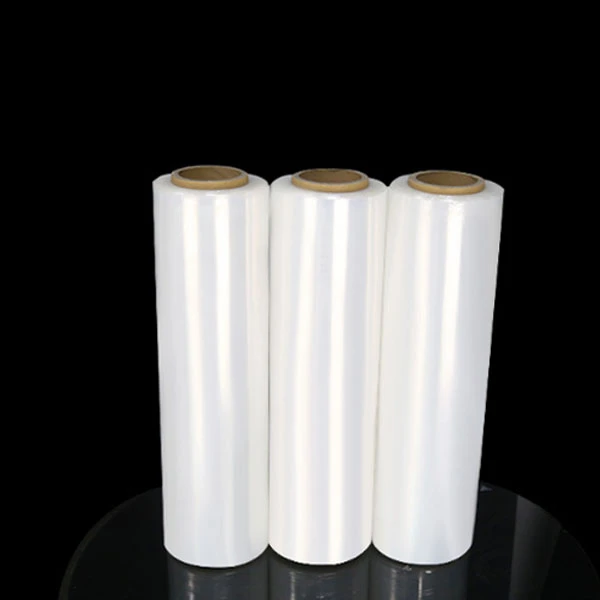
As a seasoned supplier of Machine Stretch Wrap Film, I've witnessed firsthand the challenges that come with handling this essential packaging material, especially when it comes to dealing with static electricity. Static electricity can be a real nuisance in the packaging process, causing the film to stick to itself, equipment, or other surfaces, which can lead to inefficiencies, product damage, and even safety hazards. In this blog post, I'll share some practical tips on how to handle machine stretch wrap film to avoid static electricity.
Understanding the Causes of Static Electricity in Stretch Wrap Film
Before we dive into the solutions, it's important to understand what causes static electricity in stretch wrap film. Static electricity is generated when two materials come into contact and then separate, causing electrons to transfer from one material to the other. In the case of stretch wrap film, this can happen during the manufacturing process, when the film is unwound from the roll, or when it comes into contact with other surfaces during wrapping.
Factors that can contribute to the generation of static electricity in stretch wrap film include:
- Friction: When the film rubs against itself or other surfaces, it can generate static electricity.
- Low humidity: Dry air can increase the likelihood of static electricity buildup.
- High-speed wrapping: The faster the film is unwound and applied, the more likely it is to generate static electricity.
- Film composition: Some types of stretch wrap film are more prone to static electricity than others.
Tips for Handling Machine Stretch Wrap Film to Avoid Static Electricity
Now that we understand the causes of static electricity in stretch wrap film, let's look at some practical tips for handling it to avoid static buildup.
1. Choose the Right Film
Not all stretch wrap films are created equal when it comes to static electricity. Some films are formulated with anti-static additives that help to reduce static buildup. When selecting a stretch wrap film, look for products that are specifically designed to be anti-static. You can find a wide range of Industrial Stretch Film and Clear Stretch Wrap Film with anti-static properties on our website.
2. Control the Environment
As mentioned earlier, low humidity can contribute to static electricity buildup. To reduce the risk of static, try to maintain a relative humidity level of around 40-60% in the packaging area. You can use a humidifier to add moisture to the air if necessary. Additionally, make sure the packaging area is clean and free of dust and debris, as these can also contribute to static buildup.
3. Ground the Equipment
Grounding the packaging equipment can help to dissipate static electricity and prevent it from building up on the film. Make sure all equipment, including the stretch wrapper, conveyor belts, and other machinery, is properly grounded. This can be done by connecting the equipment to a grounding rod or using a grounding strap.
4. Use Anti-Static Brushes or Bars
Anti-static brushes or bars can be used to neutralize static electricity on the film as it is being unwound. These devices work by emitting ions that neutralize the static charge on the film. You can install anti-static brushes or bars near the film roll or along the path of the film to help reduce static buildup.
5. Slow Down the Wrapping Speed
High-speed wrapping can generate more static electricity than slower wrapping speeds. If you're experiencing static issues, try reducing the wrapping speed to see if it helps. This can give the film more time to dissipate the static charge and reduce the likelihood of it sticking to itself or other surfaces.
6. Use a Static Eliminator
A static eliminator is a device that uses ionized air to neutralize static electricity. These devices can be installed near the film roll or along the path of the film to help reduce static buildup. There are several types of static eliminators available, including ionizing bars, ionizing blowers, and ionizing guns.
7. Properly Store the Film
Storing the stretch wrap film properly can also help to reduce static electricity. Make sure the film is stored in a cool, dry place away from direct sunlight and heat sources. Avoid storing the film in areas with high humidity or where it may come into contact with other materials that can generate static electricity.
Conclusion
Handling machine stretch wrap film to avoid static electricity is essential for ensuring a smooth and efficient packaging process. By following the tips outlined in this blog post, you can reduce the risk of static buildup and improve the performance of your stretch wrap film. If you have any questions or need further assistance, please don't hesitate to contact us to discuss your specific needs. We're here to help you find the right stretch wrap film solution for your business.

References
- "Static Electricity in Packaging: Causes, Effects, and Solutions." Packaging Digest, [Date Accessed].
- "How to Reduce Static Electricity in Stretch Wrap Film." Packaging World, [Date Accessed].
- "Anti-Static Packaging Materials: A Guide." Industrial Packaging, [Date Accessed].


