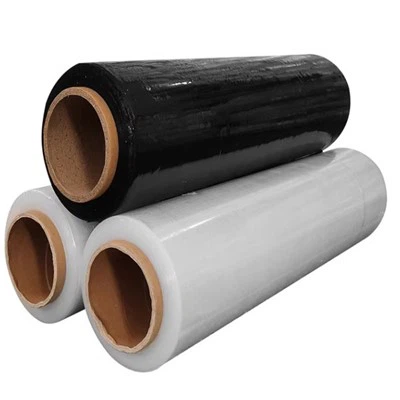
Storing pallet stretch film properly is crucial for maintaining its quality and performance. As a leading pallet stretch film supplier, we understand the importance of providing guidance on the best storage practices. In this blog post, we will explore the key factors to consider when storing pallet stretch film to ensure its longevity and effectiveness.
Understanding Pallet Stretch Film
Before delving into storage methods, it's essential to understand what pallet stretch film is and its common uses. Pallet stretch film is a highly stretchable plastic film used to secure and stabilize loads on pallets during transportation and storage. It comes in various types, including Stretch Film For Logistics, Stretch Film For Long-Term Storage, and Manual Stretch Film. Each type is designed to meet specific requirements, such as load size, weight, and environmental conditions.
Factors Affecting Pallet Stretch Film Storage
Several factors can impact the quality and performance of pallet stretch film during storage. These include temperature, humidity, light exposure, and physical damage. Understanding these factors is essential for implementing effective storage solutions.
Temperature
Temperature plays a significant role in the storage of pallet stretch film. Extreme temperatures can cause the film to become brittle or lose its elasticity, making it less effective in securing loads. Ideally, pallet stretch film should be stored in a temperature-controlled environment between 50°F and 80°F (10°C and 27°C). Avoid storing the film in areas prone to extreme heat or cold, such as near heaters, air conditioners, or direct sunlight.
Humidity
High humidity levels can also affect the quality of pallet stretch film. Excessive moisture can cause the film to stick together, making it difficult to unwind and apply. To prevent this, store the film in a dry environment with a relative humidity of less than 60%. If possible, use a dehumidifier to maintain optimal humidity levels.
Light Exposure
Prolonged exposure to sunlight or other sources of UV light can cause the pallet stretch film to degrade over time. UV rays can break down the polymer structure of the film, reducing its strength and durability. To protect the film from light damage, store it in a dark or opaque storage area. If the film is stored in a transparent container, consider covering it with a light-blocking material.
Physical Damage
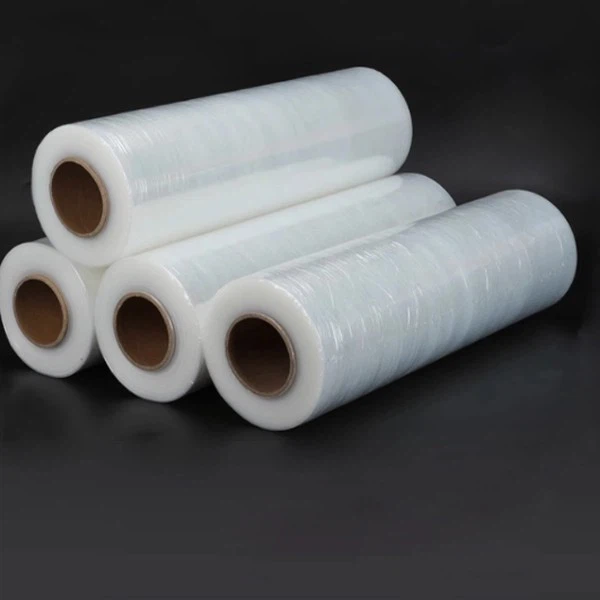
Physical damage, such as cuts, tears, or punctures, can significantly reduce the effectiveness of pallet stretch film. To prevent damage, handle the film with care during storage and transportation. Avoid stacking heavy objects on top of the film rolls, as this can cause them to deform or break. Additionally, use proper storage racks or shelves to keep the film rolls organized and prevent them from falling or rolling.

Best Practices for Storing Pallet Stretch Film
Based on the factors mentioned above, here are some best practices for storing pallet stretch film:
Choose the Right Storage Location
Select a storage location that is clean, dry, and well-ventilated. Avoid areas prone to moisture, dust, or pests. If possible, store the film in a dedicated storage room or area to minimize the risk of damage.
Use Proper Storage Containers
Store the pallet stretch film in its original packaging or in a suitable storage container. If using a storage container, ensure it is clean, dry, and free of any sharp edges or protrusions that could damage the film. Consider using plastic or metal storage bins with lids to protect the film from dust and moisture.
Stack the Film Rolls Correctly
When stacking the film rolls, ensure they are placed on a flat and stable surface. Avoid stacking the rolls too high, as this can cause them to tip over and damage the film. If possible, use a pallet rack or shelving system to organize the film rolls and prevent them from rolling or shifting.
Rotate the Stock
To ensure the freshness and quality of the pallet stretch film, practice first-in, first-out (FIFO) inventory management. This means using the oldest film rolls first and rotating the stock regularly. By doing so, you can prevent the film from sitting in storage for too long and reduce the risk of degradation.
Inspect the Film Regularly
Regularly inspect the pallet stretch film for any signs of damage or degradation. Check for cuts, tears, punctures, or discoloration. If you notice any issues, remove the damaged film from the storage area and replace it with a new roll.
Conclusion
Proper storage of pallet stretch film is essential for maintaining its quality and performance. By considering factors such as temperature, humidity, light exposure, and physical damage, you can ensure that the film remains in optimal condition for use. Following the best practices outlined in this blog post will help you extend the lifespan of your pallet stretch film and reduce the risk of product failure.
If you have any questions or need further guidance on storing pallet stretch film, please feel free to contact us. We are a trusted pallet stretch film supplier and are committed to providing our customers with high-quality products and excellent service. We look forward to discussing your specific needs and helping you find the right storage solutions for your pallet stretch film.
References
- Packaging Machinery Manufacturers Institute (PMMI). (n.d.). Stretch Film Basics. Retrieved from [Website URL]
- American Society for Testing and Materials (ASTM). (n.d.). Standard Specification for Stretch Wrap Film. Retrieved from [Website URL]
- International Safe Transit Association (ISTA). (n.d.). Packaging Testing Standards. Retrieved from [Website URL]