Tear resistance is a critical property when it comes to packaging films. As a packaging film supplier, understanding and communicating the concept of tear resistance is essential for our customers. In this blog, we'll delve into what tear resistance is, why it matters, and how it impacts the performance of different types of packaging films.
What is Tear Resistance?
Tear resistance refers to a material's ability to withstand the propagation of a tear once it has started. In the context of packaging films, it measures how well the film can resist being torn under stress, whether it's during the packaging process, transportation, or storage. A film with high tear resistance is less likely to develop and spread tears, which is crucial for maintaining the integrity of the package and protecting its contents.
There are different ways to measure tear resistance. One common method is the Elmendorf tear test. In this test, a sample of the film is notched, and a pendulum is used to tear the film from the notch. The energy required to tear the film is measured, and this value indicates the film's tear resistance. Another method is the trouser tear test, where a rectangular film sample is cut in the shape of a "trouser" and pulled apart at the two legs. The force needed to continue the tear is recorded.
Why Tear Resistance Matters
For us as a packaging film supplier, tear resistance is a key factor that influences our customers' choices. Here are some reasons why it's so important:
Product Protection
One of the primary functions of packaging is to protect the product inside. A packaging film with good tear resistance ensures that the package remains intact during handling and transit. For example, if you're packaging fragile items like glassware or electronics, a tear-resistant film can prevent damage caused by tears in the packaging. Even a small tear can allow dust, moisture, or other contaminants to enter the package, potentially harming the product.
Cost Savings
Using a tear-resistant film can lead to cost savings in the long run. Films with low tear resistance are more likely to tear during the packaging process, resulting in wasted material and increased labor costs for re-packaging. Additionally, damaged packages may need to be discarded, leading to product losses. By investing in a high-quality, tear-resistant film, customers can reduce these costs and improve their overall operational efficiency.
Brand Image
The appearance of a package plays a significant role in a brand's image. A torn or damaged package can give customers a negative impression of the product and the brand. A packaging film with good tear resistance helps maintain the package's aesthetic appeal, enhancing the brand's reputation and increasing customer satisfaction.
Tear Resistance in Different Types of Packaging Films
As a packaging film supplier, we offer a variety of films, each with its own tear resistance characteristics. Let's take a look at some common types of packaging films and how tear resistance affects their performance.
Industrial Packaging Film
Industrial Packaging Film is used in a wide range of industrial applications, such as wrapping large machinery, pallets, and heavy goods. These films need to have high tear resistance to withstand the rigors of industrial handling and transportation. Industrial packaging films are often made from materials like polyethylene, which can be engineered to have excellent tear resistance properties. They can resist tears caused by sharp edges, rough handling, and environmental factors, ensuring that the packaged goods remain secure.
Stretch Wrap Packing Film
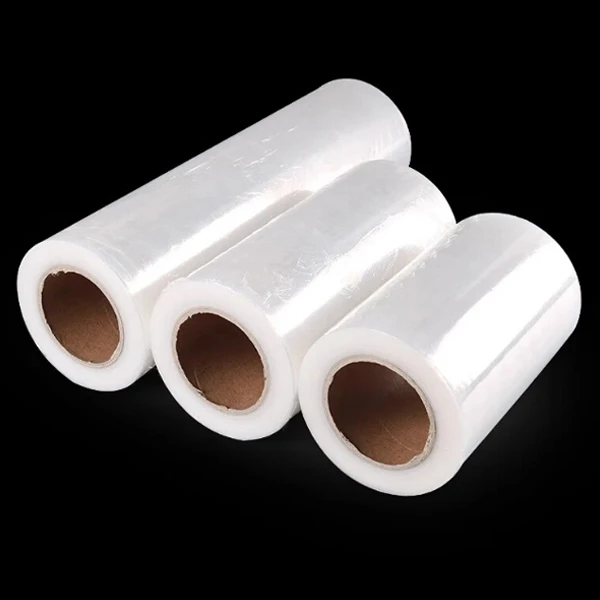
Stretch Wrap Packing Film is commonly used for wrapping pallets and securing products during transit. Tear resistance is crucial for stretch wrap films because they are stretched tightly around the products. If the film has low tear resistance, it may tear during the stretching process or when the pallet is moved. High tear resistance in stretch wrap films allows them to be stretched to their maximum capacity without tearing, providing a secure and stable wrap for the products.
Packaging Transparent Film
Packaging Transparent Film is often used for food packaging, consumer goods, and other products where visibility of the contents is important. Tear resistance in transparent films ensures that the package remains intact and the product is protected. These films are typically made from materials like polypropylene or polyester, which can be formulated to have good tear resistance while maintaining clarity. A tear-resistant transparent film can also enhance the shelf appeal of the product by keeping the package looking neat and professional.
Factors Affecting Tear Resistance
Several factors can affect the tear resistance of packaging films. Understanding these factors can help us as a supplier recommend the right film for our customers' specific needs.
Material Composition
The type of polymer used in the film is a major factor in determining its tear resistance. Different polymers have different molecular structures, which affect their mechanical properties. For example, polyethylene has a relatively high tear resistance due to its long, linear molecular chains. Blending different polymers or adding additives can also modify the tear resistance of the film.
Film Thickness
Generally, thicker films tend to have higher tear resistance than thinner ones. However, increasing the thickness also increases the cost and may affect other properties of the film, such as flexibility. Finding the right balance between thickness and tear resistance is crucial for optimizing the performance of the packaging film.
Processing Conditions
The way the film is manufactured can also impact its tear resistance. Factors such as extrusion temperature, cooling rate, and stretching ratio can all affect the molecular orientation and structure of the film, which in turn influences its tear resistance.
Improving Tear Resistance
As a packaging film supplier, we are constantly working to improve the tear resistance of our products. Here are some ways we achieve this:
Material Selection
We carefully select the polymers and additives used in our films to optimize tear resistance. We work with our suppliers to source high-quality raw materials and conduct extensive testing to ensure that the films meet our customers' requirements.
Advanced Manufacturing Techniques
We invest in state-of-the-art manufacturing equipment and processes to produce films with consistent and high tear resistance. Our manufacturing facilities are equipped with advanced extrusion and stretching machines that allow us to control the molecular structure of the film and improve its tear resistance properties.
Customization
We understand that different customers have different needs, so we offer customized solutions to meet their specific requirements. We can adjust the material composition, thickness, and other properties of the film to achieve the desired tear resistance for a particular application.
Conclusion
Tear resistance is a vital property of packaging films that can significantly impact the performance and functionality of the package. As a packaging film supplier, we are committed to providing our customers with high-quality films that have excellent tear resistance. Whether it's Industrial Packaging Film, Stretch Wrap Packing Film, or Packaging Transparent Film, we have the expertise and resources to meet your packaging needs.
If you're interested in learning more about our packaging films or have specific requirements for tear resistance, we invite you to contact us for a consultation. Our team of experts is ready to assist you in selecting the right film for your application and ensuring that you get the best value for your investment.

References
- ASTM D1922 - Standard Test Method for Propagation Tear Resistance of Plastic Film and Thin Sheeting by Pendulum Method.
- ISO 6383 - Plastics - Films and sheeting - Determination of tear resistance.
- "Packaging Materials: Properties and Selection" by John A. Robertson.