The Core Material: Polyethylene (PE)
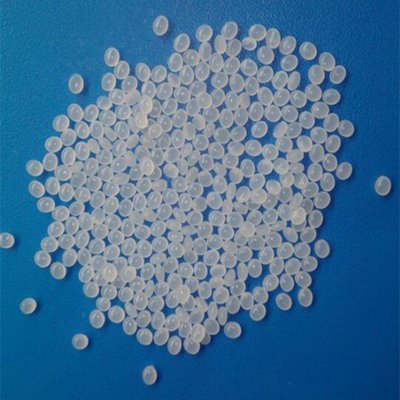
At its most basic level, stretch film is primarily made from polyethylene (PE), a thermoplastic polymer derived from petroleum or natural gas. Polyethylene is the most widely produced plastic globally, accounting for approximately one-third of all plastic production. The specific type of polyethylene used in stretch film manufacturing is linear low-density polyethylene (LLDPE), which offers excellent stretchability, strength, and clarity.Why LLDPE?
LLDPE is the material of choice for stretch film due to its unique molecular structure. Unlike conventional low-density polyethylene (LDPE), LLDPE has a linear molecular chain with short, uniform branches. This structure allows the material to stretch significantly (up to 300% or more) without breaking, while maintaining excellent puncture resistance and tear strength.
The Manufacturing Process: From Resin to Film
The journey from raw materials to finished stretch film involves several sophisticated manufacturing steps:1. Polymerization
The process begins with ethylene gas, which is derived from crude oil or natural gas through a process called cracking. In the presence of catalysts and under specific temperature and pressure conditions, ethylene molecules bond together to form polyethylene chains. For LLDPE, this polymerization occurs using either gas-phase or solution-phase processes.2. Compounding and Additive Blending
The base LLDPE resin is then compounded with various additives to enhance the film's performance characteristics. These additives include:Slip agents: Reduce friction between film layers, making it easier to unwind and applyAnti-block agents: Prevent film layers from sticking together during storageUV stabilizers: Protect the film from degradation when exposed to sunlightAntistatic agents: Reduce static electricity buildupColorants: For colored films (though most stretch film is clear)Tackifiers: Increase cling properties for better load retention3. Extrusion
The compounded resin is melted and forced through a circular die to create a thin, continuous tube of molten plastic. This process, known as blown film extrusion, allows for precise control over film thickness and properties.4. Stretching and Orientation
The molten film is then stretched in both the machine direction (MD) and transverse direction (TD) to align the polymer molecules. This orientation process significantly improves the film's strength, clarity, and stretch properties. The degree of stretching determines whether the film will be cast or blown.5. Cooling and Winding
Finally, the stretched film is cooled, trimmed to the desired width, and wound onto cores to create the finished rolls of stretch film.Types of Stretch Film Based on Manufacturing Method
Cast Stretch Film
Cast stretch film is manufactured using a process where the molten plastic is extruded through a flat die onto a chilled roller. This method produces film with:Excellent clarity and transparencyLower noise during applicationConsistent thickness throughoutCast film is ideal for applications where product visibility is important, such as retail displays or when barcodes need to be scanned through the wrap.Blown Stretch Film
Blown stretch film is produced by extruding the molten plastic through a circular die and inflating it like a balloon. This creates a bubble that is then collapsed and wound. Blown film offers:Superior strength and tear resistanceBetter memory (ability to return to its original shape)Higher load-holding forceMore forgiving application (can be stretched more without breaking)Blown film is typically used for heavier or irregularly shaped loads that require maximum protection.Material Grades and Performance Characteristics
Standard Grade
Standard grade stretch film is typically made from 100% LLDPE and offers good all-around performance for most applications. It provides:50-100% stretch capabilityGood puncture and tear resistanceClear visibility of wrapped productsSuitable for manual or machine applicationPremium Grade
Premium grade films incorporate additional materials or advanced manufacturing techniques to enhance performance:Co-extruded films: Multiple layers of different materials (such as LLDPE and LDPE) are combined to create films with specific properties in each layerNano-enhanced films: Incorporation of nanoparticles to improve strength and barrier propertiesPre-stretched films: Manufactured with built-in stretch, reducing the amount of film needed per palletSpecialty Films
Specialty stretch films are designed for specific applications:UV-resistant film: Contains higher levels of UV stabilizers for outdoor storageVCI (Vapor Corrosion Inhibitor) film: Releases corrosion-inhibiting compounds to protect metal productsAnti-static film: Prevents static electricity buildup, ideal for electronic componentsColored film: Used for product identification or to block UV lightEnvironmental Considerations
Recyclability
Stretch film made from LLDPE is fully recyclable. Many companies have established recycling programs to collect used stretch film, which can be reprocessed into new film or other plastic products. However, contamination from labels, dirt, or other materials can make recycling challenging.Biodegradable Alternatives
While traditional stretch film is not biodegradable, there are emerging alternatives:Oxo-biodegradable films: Contain additives that cause the plastic to break down when exposed to oxygen and sunlightBio-based films: Made from renewable resources like corn starch or sugarcaneCompostable films: Designed to break down in industrial composting facilitiesIt's important to note that these alternatives may have different performance characteristics and may not be suitable for all applications.Quality Control and Testing
Stretch film manufacturers conduct rigorous testing to ensure consistent quality:Tensile strength: Measures the force required to break the filmElongation at break: Determines how much the film can stretch before breakingPuncture resistance: Tests the film's ability to resist penetrationTear resistance: Measures resistance to tearingCling force: Evaluates how well the film sticks to itselfThickness consistency: Ensures uniform performance throughout the rollApplications Across Industries
Stretch film's versatility makes it suitable for numerous industries:Food and beverage: Protecting perishable goods during transportPharmaceutical: Securing medical supplies and equipmentManufacturing: Wrapping raw materials and finished productsLogistics and distribution: Stabilizing pallet loads for shippingRetail: Display packaging and product protectionConstruction: Protecting building materials from weather and damage

When selecting stretch film, consider these factors:Load weight and shape: Heavier or irregular loads require stronger filmStorage conditions: Outdoor storage needs UV protectionApplication method: Manual vs. machine applicationProduct visibility: Clear film for scanning barcodes, colored for UV protectionEnvironmental requirements: Recyclable or biodegradable optionsCost efficiency: Pre-stretched films can reduce material usageThe Future of Stretch Film Materials
The stretch film industry continues to evolve with new material innovations:Smart films: Incorporating sensors or indicators for temperature monitoring or tamper evidenceEnhanced barrier properties: Films with improved moisture and oxygen barriers for food packagingLightweighting: Thinner films with equal or better performance to reduce material usageCircular economy initiatives: Closed-loop recycling systems to minimize waste
As a professional manufacturer of stretch film, Shenzhen JYE Packaging Materials Co., Ltd. focuses on providing various effective product packaging protection solutions for the packaging industry. No matter what specifications of stretch film you are looking for, we can provide customized solutions to meet your needs.
If you are interested in stretch film packaging products, please contact us immediately for expert advice and customized products to meet your specific requirements. ( info@jyestretchfilm.com )


