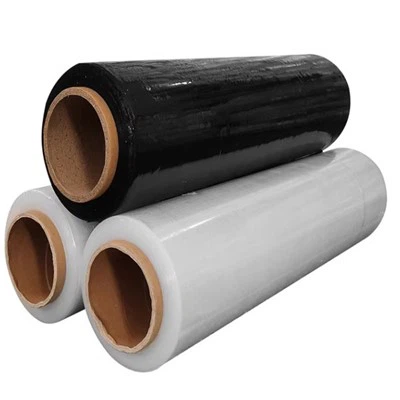
As a leading supplier of Anti Static Stretch Film, I've witnessed firsthand the significance of understanding how this product performs in various environments. One such environment that demands special attention is the dry environment. In this blog, I'll delve into the performance of anti static stretch film in dry conditions, exploring its properties, advantages, and considerations.
Properties of Anti Static Stretch Film
Anti static stretch film is designed to prevent the buildup and discharge of static electricity. This is crucial in many industries, especially those dealing with sensitive electronic components or flammable materials. In a dry environment, static electricity is more likely to occur due to the lack of moisture to conduct the electrical charge away.


The anti static properties of the film are achieved through the incorporation of anti static agents during the manufacturing process. These agents work by reducing the surface resistance of the film, allowing any static charge to dissipate quickly. This not only protects the products being wrapped but also reduces the risk of electrostatic discharge (ESD) that could damage sensitive equipment.
Performance in a Dry Environment
Static Control
In a dry environment, the air has low humidity, which means there is less moisture to neutralize static charges. Anti static stretch film excels in such conditions by effectively controlling static electricity. The anti static agents in the film help to prevent the buildup of static charges on the surface of the film and the products it wraps. This is particularly important in industries such as electronics, where even a small static discharge can cause damage to delicate components.
Stretchability
One of the key features of stretch film is its ability to stretch and conform to the shape of the products being wrapped. In a dry environment, the film's stretchability remains intact. The film can be stretched to a certain extent without losing its anti static properties. This allows for a secure and tight wrap around the products, providing protection during storage and transportation.
Adhesion
The adhesion of anti static stretch film is another important factor in its performance. In a dry environment, the film maintains its adhesion to the products, ensuring that the wrap stays in place. This is essential for preventing the film from coming loose and exposing the products to potential damage. The adhesion also helps to keep the products together, reducing the risk of shifting or movement during handling.
Durability
Anti static stretch film is designed to be durable and resistant to tearing. In a dry environment, the film's durability is not compromised. It can withstand the rigors of handling and transportation, providing long - term protection for the products. The film's strength ensures that it can hold up against various forces, such as friction and impact.
Advantages of Using Anti Static Stretch Film in a Dry Environment
Protection of Sensitive Products
As mentioned earlier, anti static stretch film is ideal for protecting sensitive electronic components in a dry environment. By preventing static electricity, it reduces the risk of ESD damage, which can lead to costly repairs or replacements. This is especially important in industries such as semiconductor manufacturing, where even a minor static discharge can render a product defective.
Improved Workplace Safety
In a dry environment, static electricity can pose a safety hazard. It can cause sparks, which may ignite flammable materials. Anti static stretch film helps to eliminate this risk by controlling static charges. This creates a safer workplace for employees, reducing the likelihood of accidents and injuries.
Cost - Effectiveness
Using anti static stretch film in a dry environment can be cost - effective in the long run. By protecting products from damage, it reduces the need for rework or replacement. Additionally, the film's durability means that it can be used multiple times, further reducing costs.
Considerations When Using Anti Static Stretch Film in a Dry Environment
Storage Conditions
Proper storage of anti static stretch film is crucial, especially in a dry environment. The film should be stored in a cool, dry place away from direct sunlight and heat sources. Exposure to extreme temperatures can affect the film's properties, including its anti static performance.
Application Techniques
The way the anti static stretch film is applied can also impact its performance in a dry environment. It is important to ensure that the film is applied evenly and tightly around the products. This can be achieved using appropriate equipment, such as Stretch Films. There are different types of stretch films available, including Machine Stretch Wrap Film and Hand Roll Stretch Film, each suitable for different applications.
Compatibility with Products
Before using anti static stretch film in a dry environment, it is important to consider the compatibility of the film with the products being wrapped. Some products may have specific requirements or sensitivities that need to be taken into account. For example, certain chemicals or materials may react with the film, affecting its performance.
Conclusion
In conclusion, anti static stretch film performs exceptionally well in a dry environment. Its ability to control static electricity, maintain stretchability, adhesion, and durability makes it an ideal choice for protecting products in various industries. By understanding its properties, advantages, and considerations, businesses can make informed decisions about using anti static stretch film in their operations.
If you're interested in learning more about our anti static stretch film or would like to discuss your specific packaging needs, we're here to help. Whether you're looking for Stretch Films, Machine Stretch Wrap Film, or Hand Roll Stretch Film, we can provide you with the right solution. Contact us today to start a conversation about how our anti static stretch film can benefit your business.
References
- Packaging Machinery Manufacturers Institute. (2023). Stretch Film Technology and Applications.
- International Electrotechnical Commission. (2022). Standards for Electrostatic Discharge Protection.