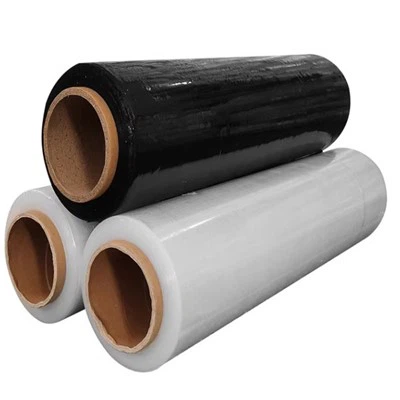
Hey there! As a packing stretch film supplier, I often get asked about the tear strength of packing stretch film. So, let's dive right into it and figure out what tear strength really means and why it's so important.
What is Tear Strength?
Tear strength is basically how well a stretch film can resist being torn. When you're using stretch film to wrap up your products, you don't want it to tear easily. Imagine you're wrapping a pallet of goods for shipping. If the film tears during the wrapping process or while the pallet is being moved around, it can cause all sorts of problems. The goods might shift, get damaged, or even fall off the pallet. That's why having a high tear strength is crucial.
Factors Affecting Tear Strength
There are several factors that can affect the tear strength of packing stretch film.
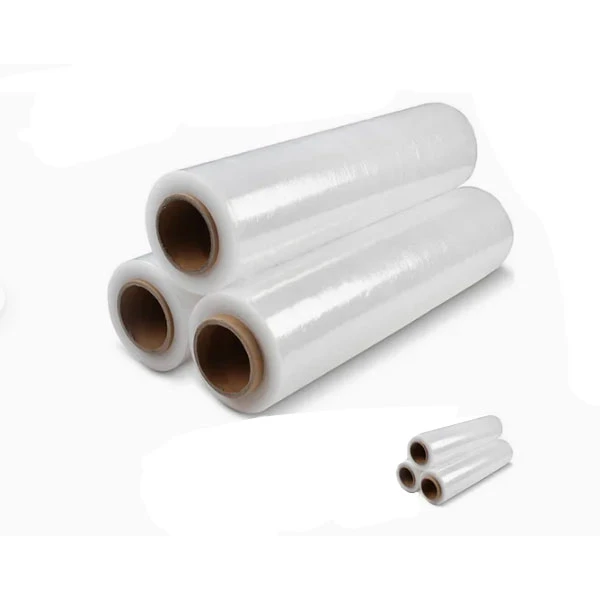

1. Material Composition
The type of plastic used to make the stretch film plays a big role. Most stretch films are made from polyethylene, but there are different grades and types. For example, linear low-density polyethylene (LLDPE) is commonly used because it offers good tear resistance. It has a more linear molecular structure, which gives it better strength compared to some other types of polyethylene.
2. Thickness
Thicker films generally have higher tear strength. Of course, there's a balance to strike here. If the film is too thick, it can be more expensive and less flexible. But in general, increasing the thickness of the film can improve its ability to resist tearing.
3. Manufacturing Process
The way the film is made also matters. The extrusion process, for instance, can affect the orientation of the polymer molecules in the film. A well - oriented film will have better tear strength. Some manufacturers use special processing techniques to enhance the tear resistance of their stretch films.
Measuring Tear Strength
Tear strength is usually measured in Newtons (N) or grams - force (gf). There are different test methods to measure it. One common method is the Elmendorf tear test. In this test, a specimen of the film is cut and then a pendulum is used to tear the film. The force required to tear the film is measured, and this gives an indication of the tear strength.
Importance of Tear Strength in Different Applications
1. Pallet Wrapping
When it comes to pallet wrapping, a high tear strength is essential. Stretch Film for Pallet Wrapping needs to hold the goods on the pallet securely during transportation. If the film tears, the load can become unstable, and there's a risk of damage to the products. A strong film can withstand the stress of being wrapped around the pallet and the movement during shipping.
2. Hand - Wrapping
For Hand Stretch Film, tear strength is also important. When you're wrapping items by hand, you want the film to be easy to handle but also strong enough not to tear easily. This is especially important if you're wrapping irregularly shaped items or if you need to make multiple wraps.
3. Machine - Wrapping
In machine - wrapping applications, Versatile Machine Stretch Film needs to be able to handle the high - speed wrapping process. The film has to be strong enough to resist tearing as it's being pulled and stretched by the wrapping machine. A film with low tear strength can cause jams in the machine and slow down the packaging process.
How Our Company's Stretch Films Excel in Tear Strength
At our company, we take tear strength seriously. We use high - quality LLDPE materials in our stretch films. Our manufacturing process is designed to optimize the molecular orientation of the polymer, which gives our films excellent tear resistance.
We also offer a range of thicknesses to suit different applications. Whether you need a thin film for light - duty wrapping or a thicker film for heavy - duty pallet wrapping, we've got you covered. Our R & D team is constantly working to improve the tear strength of our products, so you can be sure that you're getting the best possible film for your needs.
Choosing the Right Stretch Film Based on Tear Strength
When you're choosing a stretch film, you need to consider the specific requirements of your application. If you're wrapping fragile items, you might need a film with a very high tear strength to prevent any damage during handling. On the other hand, if you're wrapping lightweight items, a film with a lower tear strength might be sufficient.
It's also important to consider the cost. Higher - tear - strength films are usually more expensive, so you need to find the right balance between cost and performance. Our team can help you choose the best film for your needs based on your budget and the requirements of your packaging process.
Conclusion
In conclusion, tear strength is a crucial property of packing stretch film. It affects the performance and reliability of the film in various applications, from pallet wrapping to hand - wrapping. As a packing stretch film supplier, we're committed to providing high - quality films with excellent tear strength.
If you're interested in learning more about our stretch films or have any questions about tear strength, don't hesitate to get in touch. We'd be happy to discuss your specific needs and help you find the perfect stretch film for your business.
References
- ASTM D1922 - Standard Test Method for Propagation Tear Resistance of Plastic Film and Thin Sheeting by Pendulum Method
- Packaging Machinery Manufacturers Institute (PMMI) - Resources on stretch film applications and performance
- Industry whitepapers on stretch film technology and tear strength