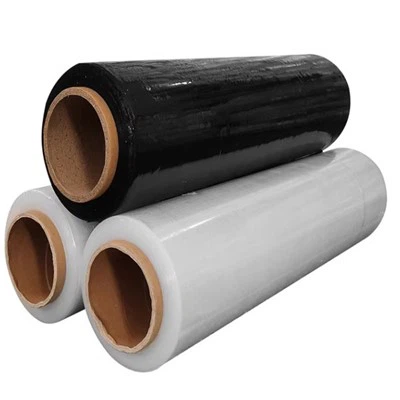
In the realm of packaging solutions, transparent stretch film stands as a versatile and indispensable tool. As a seasoned transparent stretch film supplier, I've witnessed firsthand the significant variations in quality among different manufacturers. This blog aims to delve into the factors that contribute to these differences, offering insights that can help businesses make informed decisions when choosing a stretch film for their packaging needs.
Raw Materials
The foundation of any high - quality transparent stretch film lies in the raw materials used. Different manufacturers may opt for various types of polymers, and the quality of these polymers can vary widely. For instance, some manufacturers use high - grade linear low - density polyethylene (LLDPE), which offers excellent stretchability, puncture resistance, and clarity. LLDPE has a more uniform molecular structure, resulting in a film that can stretch further without breaking and provides better load retention.
On the other hand, lower - quality manufacturers might use a blend of recycled or lower - grade polymers. While this can reduce costs, it often leads to a film with inferior properties. Recycled polymers may contain impurities or have inconsistent molecular structures, which can cause the film to tear easily, have poor clarity, and offer less reliable load - holding capabilities.
Manufacturing Processes
The manufacturing process is another critical factor that influences the quality of transparent stretch film. Advanced manufacturers employ state - of - the - art extrusion and stretching techniques. For example, the cast extrusion process can produce a film with a more consistent thickness and better optical properties. In this process, the molten polymer is extruded through a flat die and then cooled rapidly on a chill roll. This results in a film with high clarity and a smooth surface finish.
In contrast, some manufacturers may use less sophisticated blown extrusion methods. While blown extrusion can also produce stretch film, it may lead to a film with more thickness variations and less uniform properties. The blown film is formed by inflating a tube of molten polymer, and the process can be more difficult to control, resulting in a film that may not perform as well in terms of stretchability and load retention.
Thickness and Gauge
The thickness, or gauge, of the transparent stretch film is a key determinant of its quality. Different manufacturers offer a range of gauges, and the appropriate gauge depends on the specific application. A thicker film generally provides more strength and puncture resistance, making it suitable for heavy or sharp - edged loads. However, thicker films can also be more expensive and may not be necessary for lighter loads.
Some manufacturers may cut corners by offering films with inconsistent gauges. This can lead to uneven stretching and reduced load - holding capacity. A reliable manufacturer will ensure that the film has a consistent gauge throughout, providing predictable performance.
Adhesion and Tack
The adhesion and tack of the stretch film are crucial for keeping the load secure. Good adhesion ensures that the film sticks to itself and the load, preventing the film from unwrapping during transit. High - quality manufacturers use advanced adhesive technologies to provide the right amount of tack. This can be achieved through the use of special additives or surface treatments.
Inferior manufacturers may use adhesives that are either too weak or too strong. A film with weak adhesion may not hold the load properly, while a film with excessive tack can be difficult to unwind and may leave residue on the load.
UV Resistance
For applications where the stretch film will be exposed to sunlight, UV resistance is an important consideration. Some manufacturers add UV stabilizers to their films to protect them from the harmful effects of ultraviolet radiation. This can prevent the film from becoming brittle and losing its strength over time.
Manufacturers that do not prioritize UV resistance may produce films that degrade quickly when exposed to sunlight. This can lead to premature failure of the film and compromise the integrity of the load.
Testing and Quality Control
Reputable manufacturers have rigorous testing and quality control procedures in place. They test their films for various properties such as tensile strength, elongation, puncture resistance, and adhesion. These tests ensure that the film meets the required standards and performs as expected.
In contrast, some manufacturers may not conduct comprehensive testing, or they may have lax quality control measures. This can result in a product that does not meet the advertised specifications and may cause problems for the end - user.
Manual Stretch Film
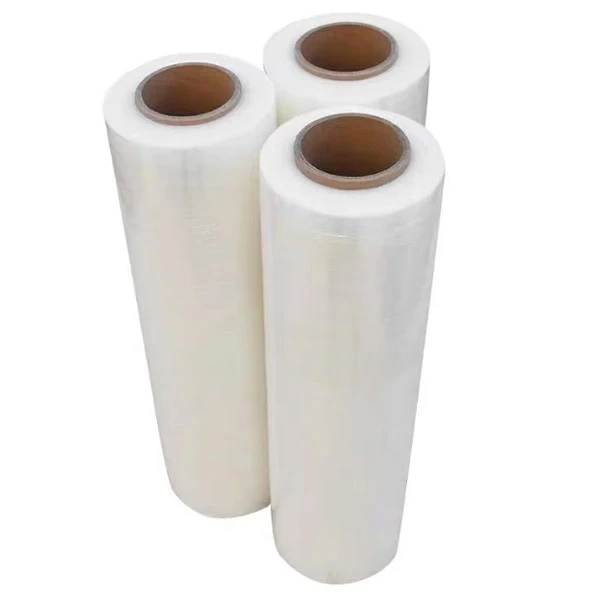
When it comes to manual applications, the quality of the stretch film is even more critical. Manual Stretch Film needs to be easy to handle and apply. A high - quality manual stretch film will have the right amount of stretch and tack, allowing it to be wrapped around the load smoothly without tearing or sticking to the hands.
Stretch Film For Pallets
For pallet wrapping, the film needs to provide excellent load stability. Stretch Film For Pallets should be able to hold heavy loads securely during transportation and storage. High - quality pallet stretch films have high tensile strength and good elongation properties, ensuring that they can be stretched tightly around the pallet without breaking.
Wrapping Film Roll
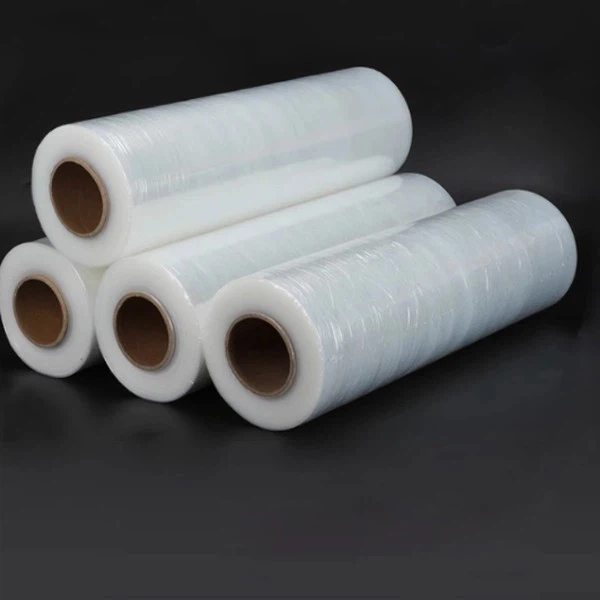
The quality of the Wrapping Film Roll also depends on how it is wound. A well - wound roll will unwind smoothly, without any kinks or tangles. High - quality manufacturers use advanced winding techniques to ensure that the film is wound evenly and tightly, providing a consistent and reliable product.
Making the Right Choice
When choosing a transparent stretch film, it's essential to consider the reputation of the manufacturer. Look for manufacturers with a proven track record of producing high - quality products. Read customer reviews and ask for samples to test the film's performance in your specific application.
As a transparent stretch film supplier, I understand the importance of providing a product that meets the highest quality standards. We use only the best raw materials, employ advanced manufacturing processes, and conduct rigorous quality control tests. Our goal is to offer a range of stretch films that can meet the diverse needs of our customers.
If you're in the market for high - quality transparent stretch film, I encourage you to reach out for a consultation. We can help you select the right film for your application, ensuring that your products are packaged securely and efficiently.
References
- Packaging Machinery Manufacturers Institute. (2023). Stretch Film Packaging Guidelines.
- Plastics Industry Association. (2023). Polymer Properties and Applications.
- International Organization for Standardization. (2023). ISO Standards for Stretch Films.