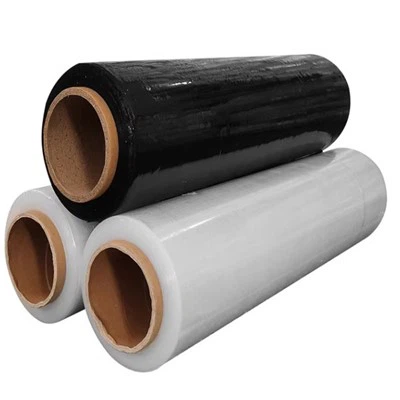
Hey there! As a wrapping film supplier, I get asked a lot about the best wrapping film for bread. It's a crucial question because the right wrapping film can make a huge difference in keeping your bread fresh, protecting it from damage, and even enhancing its presentation. So, let's dive into what makes a great bread wrapping film.
What to Look for in Bread Wrapping Film
First off, we need to understand the key features that a good bread wrapping film should have.
Freshness Preservation
One of the most important things is the film's ability to keep the bread fresh. Bread is perishable, and it can quickly go stale or develop mold if not properly wrapped. A good wrapping film should have a high barrier to oxygen and moisture. Oxygen can cause the bread to go stale by drying it out, while moisture can lead to mold growth. So, we're looking for a film that can block out these elements effectively.
Strength and Durability
Bread can be quite delicate, but it also needs to be protected during handling and transportation. The wrapping film should be strong enough to withstand the rigors of packaging, stacking, and moving without tearing or puncturing. A weak film can lead to the bread being exposed to the environment, which can compromise its quality.
Transparency
Transparency is another important factor. Consumers like to see what they're buying, and a clear wrapping film allows them to view the bread inside. This not only helps with product visibility but also adds to the overall aesthetic appeal of the bread.
Sealability
A good bread wrapping film should be easy to seal. Whether it's through heat sealing or adhesive sealing, the film should form a tight seal around the bread to prevent air and moisture from getting in.
Types of Wrapping Films for Bread
Now, let's take a look at some of the common types of wrapping films used for bread.
Polyethylene (PE) Film
PE film is one of the most widely used materials for bread wrapping. It's affordable, flexible, and has good moisture resistance. PE film comes in different thicknesses, and you can choose the one that best suits your needs. It's also easy to seal, either by heat sealing or using a cold seal adhesive. This type of film is great for both retail and industrial bread packaging. You can check out our Hand Pallet Wrap Stretch Film which has similar properties and can be used for various packaging applications.
Polypropylene (PP) Film
PP film is another popular choice for bread wrapping. It has excellent clarity, which makes it ideal for showcasing the bread. PP film also has good heat resistance, which means it can withstand the heat during the sealing process without melting or deforming. It's a bit more rigid than PE film, but it still provides good protection for the bread. Our Stretch Film for Pallet Wrapping can also be used in some bread packaging setups where a bit more strength and stretchability are required.
PVC Film
PVC film has been used in bread packaging for a long time. It has good clarity and flexibility, and it can form a tight seal around the bread. However, there are some environmental concerns associated with PVC film, as it contains chlorine and can release harmful chemicals when burned. So, in recent years, there has been a shift towards more eco - friendly alternatives.
Biodegradable Films
With the growing concern for the environment, biodegradable films are becoming more popular. These films are made from natural materials such as starch, cellulose, or polylactic acid (PLA). They are compostable and break down naturally over time. Biodegradable films can offer similar performance to traditional films in terms of freshness preservation and strength. Our Industrial Stretch Film may also have some biodegradable options that can be used for bread packaging, especially for businesses looking to reduce their environmental impact.
Comparing Different Films
Let's compare these films in terms of the key features we discussed earlier.
Freshness Preservation
- PE film has a good moisture barrier, but it may not be as effective as some other films in blocking oxygen.
- PP film has a better oxygen barrier than PE film, which helps to keep the bread fresh for longer.
- PVC film also has good oxygen and moisture barriers, but as mentioned, it has environmental issues.
- Biodegradable films can have varying levels of barrier properties, but some newer formulations are quite effective at preserving freshness.
Strength and Durability
- PE film is relatively strong and flexible, but it may tear more easily than PP film.
- PP film is more rigid and has better tear resistance, making it a good choice for protecting the bread during handling.
- PVC film is also quite strong, but its environmental drawbacks may outweigh its strength benefits.
- Biodegradable films are getting stronger, but they may still be a bit more fragile compared to traditional films.
Transparency
- PP film has excellent transparency, which is great for product visibility.
- PE film also has good transparency, but it may not be as clear as PP film.
- PVC film has very good clarity, but again, the environmental concerns need to be considered.
- Biodegradable films can have good transparency, especially those made from PLA.
Sealability
- PE film can be easily heat - sealed or cold - sealed.
- PP film can also be heat - sealed effectively, and it forms a strong seal.
- PVC film is easy to seal, but the sealing process may release some harmful fumes.
- Biodegradable films can be sealed using heat or adhesive methods, but the sealing performance may vary depending on the material.
Choosing the Best Film for Your Bread
So, how do you choose the best wrapping film for your bread? It depends on several factors.
Type of Bread
If you're wrapping artisanal bread with a crusty exterior, you may need a film that can withstand the rough surface without tearing. PP film or a thicker PE film could be a good choice. For soft, sliced bread, a thinner PE film may be sufficient.
Packaging Process
If you're using a high - speed packaging machine, you need a film that can be easily fed through the machine and sealed quickly. Some films are more compatible with certain types of packaging equipment than others.
Environmental Considerations
If your business is focused on sustainability, biodegradable films may be the way to go. However, you need to make sure that they meet your performance requirements.
Cost
Cost is always a factor. PE film is generally the most affordable option, while biodegradable films can be more expensive. You need to balance the cost with the benefits of the film.

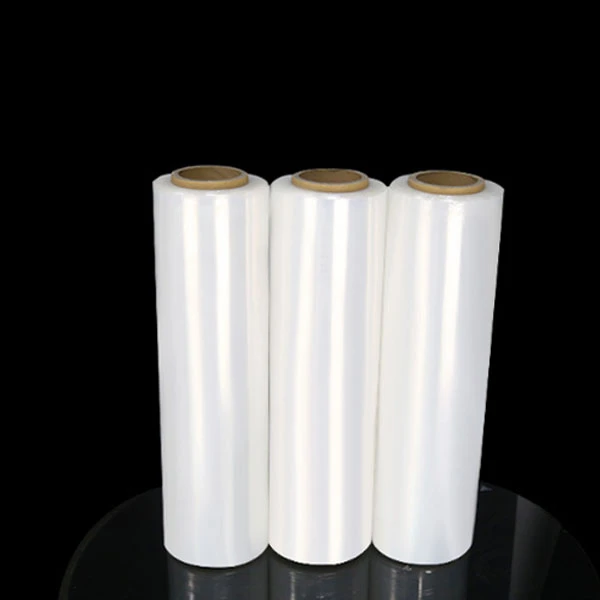
Why Choose Our Wrapping Films
As a wrapping film supplier, we offer a wide range of films that are suitable for bread packaging. Our films are made from high - quality materials and are designed to meet the specific needs of the bread industry. We have options for different budgets and environmental preferences. Whether you need a cost - effective PE film or an eco - friendly biodegradable film, we've got you covered.
If you're in the market for bread wrapping film, we'd love to have a chat with you. We can help you choose the best film for your needs, provide samples, and offer competitive pricing. Just reach out to us, and we'll be happy to assist you in your procurement process.
References
- Packaging Machinery Manufacturers Institute. (2023). Packaging Materials Handbook.
- European Bioplastics. (2023). Biodegradable Plastics in Packaging.
- American Chemistry Council. (2023). Plastic Films for Food Packaging.