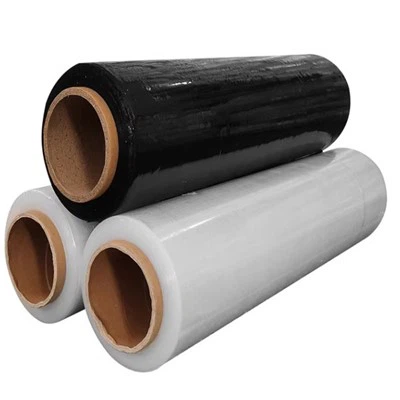
When it comes to packaging heavy - duty items, choosing the right stretch film thickness is crucial. As a stretch films supplier, I've witnessed firsthand the impact that the correct film thickness can have on the safety and efficiency of transporting and storing these items. In this blog, I'll delve into the factors that determine the appropriate thickness of stretch film for heavy - duty applications.
Understanding the Basics of Stretch Film
Stretch film is a highly elastic plastic film that is used to wrap products, providing stability and protection during transit and storage. It adheres to itself when stretched, creating a secure wrap around the items. The thickness of stretch film is typically measured in mils (one mil is equal to one - thousandth of an inch) or microns (one micron is one - millionth of a meter).
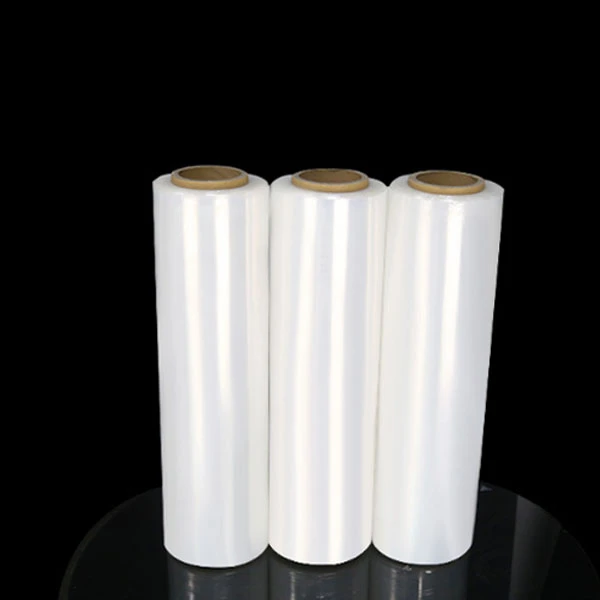

Factors Influencing the Thickness of Stretch Film for Heavy - Duty Items
Weight and Size of the Item
The weight and size of the heavy - duty item are the primary factors in determining the appropriate stretch film thickness. Heavier and larger items require a thicker film to provide sufficient strength and stability. For example, a large pallet of industrial machinery weighing several tons will need a much thicker film compared to a smaller, lighter pallet of consumer goods. A general rule of thumb is that as the weight of the item increases, the thickness of the stretch film should also increase.
Transportation Conditions
The conditions during transportation play a significant role in determining the film thickness. If the heavy - duty items are being transported over long distances, through rough terrains, or in adverse weather conditions, a thicker stretch film is necessary. Vibrations, shocks, and temperature variations can all affect the integrity of the wrap. A thicker film can better withstand these external forces and prevent the items from shifting or getting damaged.
Storage Environment
The storage environment also impacts the choice of stretch film thickness. If the items are stored in a warehouse with high humidity or extreme temperatures, a thicker film can provide better protection against moisture and temperature - related damage. Additionally, if the items are stacked on top of each other for an extended period, a thicker film can prevent the lower items from being crushed.
Recommended Thicknesses for Different Heavy - Duty Applications
Industrial Stretch Film
Industrial Stretch Film is designed for heavy - duty applications in industrial settings. For heavy - duty industrial items such as large metal parts, machinery, or building materials, a thickness of 1.5 to 3 mils (38 to 76 microns) is often recommended. This thickness provides the necessary strength and durability to hold these heavy items in place during transportation and storage.
Machine Wrap Stretch Film
Machine Wrap Stretch Film is used with pallet - wrapping machines. For heavy - duty pallets, a thickness of 2 to 3 mils (51 to 76 microns) is typically suitable. The machine applies the film evenly and tightly, and a thicker film can handle the high - speed wrapping process without tearing or breaking.
Stretch Film for Pallet Wrapping
Stretch Film for Pallet Wrapping is commonly used to secure heavy - duty pallets. For pallets with heavy loads, a thickness of 1.75 to 3 mils (44 to 76 microns) is a good choice. This thickness ensures that the pallet is tightly wrapped and the items remain stable during handling and transportation.
Benefits of Using the Right Thickness
Using the appropriate thickness of stretch film for heavy - duty items offers several benefits. Firstly, it enhances the safety of the items during transit and storage. A thicker film provides better resistance to tearing and puncturing, reducing the risk of damage to the goods. Secondly, it improves the stability of the wrapped items. The film holds the items together firmly, preventing them from shifting or falling apart. This not only protects the products but also makes it easier to handle and stack them.
Challenges of Choosing the Wrong Thickness
Choosing the wrong thickness of stretch film can lead to several problems. If the film is too thin, it may not provide enough strength to hold the heavy - duty items in place. This can result in the items shifting during transportation, leading to damage. On the other hand, if the film is too thick, it can be more expensive and may be difficult to apply. It can also add unnecessary weight to the package, increasing transportation costs.
Tips for Selecting the Right Thickness
To select the right thickness of stretch film for heavy - duty items, it's important to consider the specific requirements of your application. Here are some tips:
- Evaluate the weight and size of the items: Measure the weight and dimensions of the heavy - duty items to determine the appropriate film thickness.
- Consider the transportation and storage conditions: Think about the distance of transportation, the terrain, and the storage environment. This will help you choose a film that can withstand the external forces.
- Test different thicknesses: Before making a large - scale purchase, test different thicknesses of stretch film on a small sample of your heavy - duty items. This will allow you to see which thickness works best for your specific needs.
Conclusion
In conclusion, choosing the right thickness of stretch film for heavy - duty items is a critical decision that can impact the safety, efficiency, and cost - effectiveness of your packaging operations. As a stretch films supplier, I'm committed to helping our customers make the best choice for their heavy - duty packaging needs. If you're in the market for stretch film for heavy - duty applications, we'd be more than happy to assist you. Contact us to discuss your requirements and let's find the perfect stretch film solution for you.
References
- Packaging Machinery Manufacturers Institute (PMMI). (2023). Best Practices for Stretch Film Usage in Industrial Applications.
- American Society for Testing and Materials (ASTM). (2022). Standards for Stretch Film Performance.