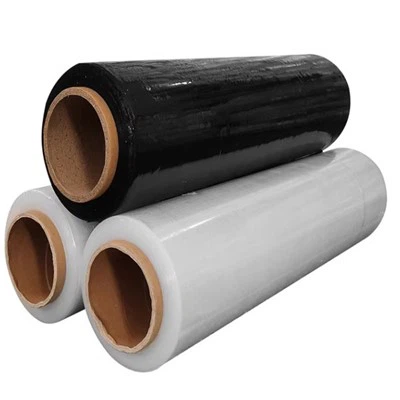
Handling machine wrap stretch film rolls properly is crucial for ensuring efficient operations, reducing waste, and maintaining the quality of the film. As a supplier of Machine Wrap Stretch Film, I understand the significance of providing guidance on how to handle these rolls effectively. In this blog, I will share some valuable insights and best practices for handling machine wrap stretch film rolls.
Storage of Machine Wrap Stretch Film Rolls
Proper storage is the first step in handling machine wrap stretch film rolls. Storing the rolls in the right conditions can prevent damage and extend their shelf life.
- Temperature and Humidity: Machine wrap stretch film rolls should be stored in a cool, dry place. High temperatures can cause the film to become sticky and difficult to unwind, while high humidity can lead to moisture absorption, which may affect the film's performance. Ideally, the storage temperature should be between 10°C and 30°C (50°F and 86°F), and the relative humidity should be kept below 60%.
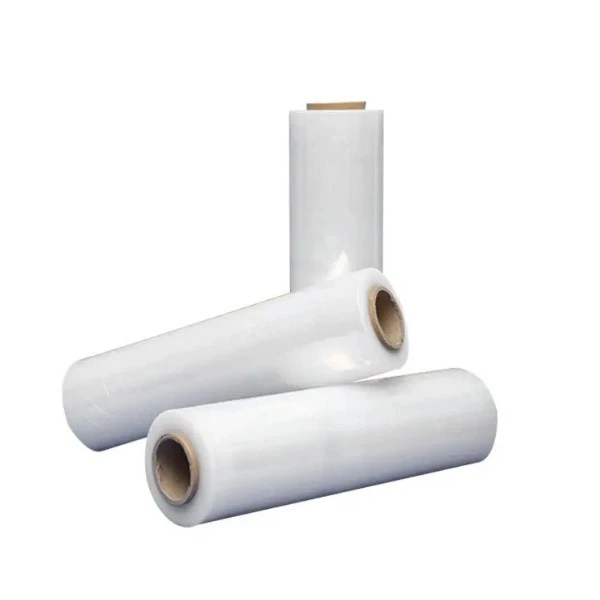
- Vertical Storage: Rolls should be stored vertically to prevent deformation. Storing them horizontally can cause the film to flatten and develop wrinkles, which can lead to problems during the wrapping process. Make sure the rolls are placed on a flat and stable surface to avoid any tilting or rolling.
- Protection from Sunlight: Exposure to sunlight can cause the film to degrade over time. It is important to store the rolls in a location that is away from direct sunlight or use opaque covers to protect them.
Unwinding Machine Wrap Stretch Film Rolls
Unwinding the film correctly is essential for smooth and efficient wrapping operations.
- Proper Tension: When unwinding the film, it is important to maintain the right tension. Too much tension can cause the film to break, while too little tension can result in loose wrapping. Most modern wrapping machines have adjustable tension settings that can be optimized based on the type of film and the application.
- Avoiding Tangles: To prevent tangles, make sure the film is unwound in a straight line. If the film starts to tangle, stop the machine immediately and carefully untangle it. It is also a good idea to check the film for any knots or twists before starting the wrapping process.
- Using the Right Core: The core of the film roll plays an important role in the unwinding process. Make sure the core is compatible with the wrapping machine. Using the wrong core can cause the film to unwind unevenly or get stuck.
Loading Machine Wrap Stretch Film Rolls onto the Wrapping Machine
Loading the film roll onto the wrapping machine correctly is crucial for proper operation.
- Aligning the Roll: When loading the roll onto the machine, make sure it is properly aligned. The roll should be centered on the spindle and parallel to the wrapping surface. This will ensure that the film is applied evenly and smoothly.
- Securing the Roll: Once the roll is loaded, it is important to secure it properly to prevent it from slipping or moving during the wrapping process. Most wrapping machines have mechanisms for securing the roll, such as clamps or brakes.
- Threading the Film: After loading the roll, the film needs to be threaded through the machine. Follow the manufacturer's instructions carefully to ensure that the film is threaded correctly. This will help to prevent jams and ensure smooth operation.
Wrapping with Machine Wrap Stretch Film
The actual wrapping process requires attention to detail to achieve the best results.
- Setting the Wrapping Parameters: Different applications may require different wrapping parameters, such as the number of revolutions, the tension, and the overlap. It is important to set these parameters correctly based on the size and shape of the load, as well as the type of film being used.
- Overlap and Coverage: To ensure a secure wrap, the film should have an appropriate overlap. A common overlap is around 50% to 75%. This will help to hold the load together and prevent the film from coming loose. Make sure the film covers the entire load, including the top and sides.
- Monitoring the Wrapping Process: During the wrapping process, it is important to monitor the machine and the film to ensure that everything is working properly. Check for any signs of film breakage, uneven wrapping, or other issues. If any problems are detected, stop the machine immediately and make the necessary adjustments.
Maintenance of Machine Wrap Stretch Film Rolls and Wrapping Machines
Regular maintenance is essential for the longevity of both the film rolls and the wrapping machines.

- Cleaning the Machine: Keep the wrapping machine clean to prevent dirt and debris from accumulating on the film and the machine components. Regularly clean the rollers, guides, and other parts of the machine according to the manufacturer's instructions.
- Inspecting the Film Rolls: Before using a film roll, inspect it for any signs of damage, such as tears, holes, or wrinkles. If a damaged roll is detected, do not use it. Instead, contact the supplier for a replacement.
- Lubricating the Machine: Lubricate the moving parts of the wrapping machine regularly to ensure smooth operation. Use the recommended lubricants and follow the manufacturer's guidelines for lubrication.
Troubleshooting Common Issues
Even with proper handling and maintenance, issues may still arise during the use of machine wrap stretch film rolls. Here are some common problems and their solutions:
- Film Breakage: If the film breaks during the wrapping process, check the tension settings. Adjust the tension to a lower level if it is too high. Also, make sure the film is not being caught on any sharp edges or rough surfaces.
- Loose Wrapping: If the wrapping is loose, increase the tension or the overlap. Check the wrapping parameters to ensure they are set correctly for the load.
- Jams: If the film gets jammed in the machine, stop the machine immediately and carefully remove the jammed film. Check for any obstructions or misaligned parts and make the necessary adjustments.
Conclusion
Handling machine wrap stretch film rolls properly is essential for achieving efficient and effective wrapping operations. By following the best practices outlined in this blog, you can ensure the quality of the film, reduce waste, and improve the overall performance of your wrapping process.
If you are interested in purchasing Machine Wrap Stretch Film, Stretch Films, or Pallet Wrapping Film, please feel free to contact us for more information and to discuss your specific requirements. We are committed to providing high-quality products and excellent customer service.
References
- Packaging Machinery Manufacturers Institute (PMMI). "Best Practices for Stretch Film Wrapping."
- Stretch Film Association. "Stretch Film Handling and Storage Guidelines."