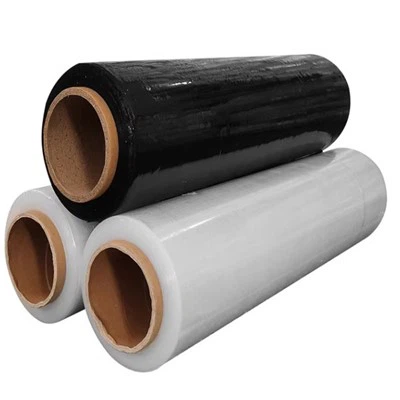
When it comes to protecting plants, whether for transportation, storage, or general protection against the elements, stretch wrapping film is an excellent solution. As a supplier of high - quality stretch wrapping film, I'm here to share with you a comprehensive guide on how to wrap plants effectively using our products.


Why Use Stretch Wrapping Film for Plants?
Stretch wrapping film offers several benefits for plant protection. Firstly, it provides a physical barrier against pests, dust, and harsh weather conditions. It can prevent damage from wind, rain, and extreme temperatures. Secondly, the film is flexible and can conform to the shape of the plant, ensuring a snug fit without causing damage to the delicate foliage or branches. Thirdly, it helps to maintain the moisture level around the plant, reducing the risk of dehydration.
Types of Stretch Wrapping Films Suitable for Plants
There are different types of stretch wrapping films available, and choosing the right one is crucial for optimal plant protection.
- Stretch Films: These are general - purpose films that come in various thicknesses and widths. They offer good stretchability and strength, making them suitable for a wide range of plant sizes and shapes. You can find a variety of stretch films on our website Stretch Films.
- Hand Pallet Wrap Stretch Film: This type of film is designed for easy handling. It is often used for wrapping plants on pallets during transportation. The film has a high holding force, which keeps the plants in place and protected. Check out our Hand Pallet Wrap Stretch Film for more details.
- Hand Roll Stretch Film: Ideal for smaller plants or for wrapping individual plant parts. It is convenient to use and can be easily cut to the desired length. Our Hand Roll Stretch Film is a popular choice among gardeners and plant enthusiasts.
Preparing the Plants for Wrapping
Before you start wrapping the plants, it's important to prepare them properly.
- Inspect the plants: Check for any damaged or diseased parts. Remove any dead leaves, branches, or flowers. This not only makes the plant look better but also reduces the risk of spreading diseases during the wrapping process.
- Clean the plants: Gently wipe the leaves and stems with a damp cloth to remove any dirt or debris. This will ensure that the film adheres properly to the plant surface.
- Prune if necessary: If the plant has long or unruly branches, you may need to prune them slightly to make the wrapping process easier. However, be careful not to over - prune, as this can damage the plant.
Wrapping Process
The following steps will guide you through the process of wrapping plants with stretch wrapping film:
- Select the appropriate film: Based on the size and type of the plant, choose the right stretch wrapping film. For larger plants, a wider and thicker film may be required, while smaller plants can be wrapped with a thinner and narrower film.
- Start at the base: Begin wrapping the film at the base of the plant, close to the soil. Hold the end of the film firmly against the plant and start to wrap it around the stem in a spiral motion. Make sure the film is tight but not too tight to avoid damaging the plant.
- Overlap the film: As you wrap the film around the plant, overlap each layer by about 50%. This will ensure that the film provides a continuous and secure covering.
- Cover the foliage: Once you have wrapped the stem, start to cover the foliage. Gently lift the leaves and branches and wrap the film around them, making sure to cover all the important parts of the plant. Be careful not to break the leaves or branches during this process.
- Secure the end: When you reach the top of the plant, cut the film and secure the end by tucking it under the last layer of the film. You can also use a small piece of tape to hold the end in place if necessary.
Tips for Wrapping Different Types of Plants
- Potted plants: For potted plants, start by wrapping the pot first to secure it in place. Then, wrap the plant itself, making sure to cover the soil surface to prevent it from drying out.
- Trees and shrubs: When wrapping trees and shrubs, start at the base and work your way up. You may need to use a ladder or a long - handled tool to reach the higher branches. Make sure to wrap the branches tightly to prevent them from moving during transportation.
- Delicate plants: For delicate plants, such as orchids or ferns, use a thinner and more gentle film. Be extra careful when wrapping the leaves and flowers to avoid damage.
After Wrapping Care
Once the plants are wrapped, it's important to take proper care of them.
- Store in a suitable environment: Place the wrapped plants in a cool, dry place away from direct sunlight. If the plants are being transported, make sure they are protected from extreme temperatures and vibrations.
- Monitor the plants: Check the plants regularly to ensure that the film is still in place and that the plants are not showing any signs of stress or damage. If you notice any problems, such as wilting or discoloration, remove the film immediately and take appropriate action.
Contact Us for Your Stretch Wrapping Film Needs
If you are interested in purchasing stretch wrapping film for your plant protection needs, we are here to help. Our high - quality stretch wrapping films are designed to provide the best protection for your plants. Whether you are a large - scale nursery, a small - scale gardener, or a plant transportation company, we have the right film for you.
We offer a wide range of stretch wrapping films, including Stretch Films, Hand Pallet Wrap Stretch Film, and Hand Roll Stretch Film. Our products are made from high - quality materials and are designed to meet the highest standards of quality and performance.
Contact us today to discuss your specific requirements and get a quote. We look forward to working with you to protect your plants with our top - notch stretch wrapping film.
References
- Smith, J. (2018). Plant Protection Techniques. Gardening Journal, 15(2), 34 - 42.
- Johnson, A. (2019). The Use of Stretch Films in Horticulture. Agricultural Science Review, 22(3), 56 - 63.