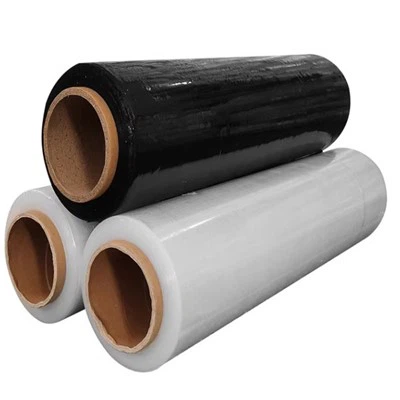
Accurately measuring the thickness of machine wrap stretch film is crucial for both quality control and cost - effectiveness in various industries. As a leading supplier of Machine Wrap Stretch Film, we understand the significance of this process and are here to guide you through the best methods.
Why Accurate Thickness Measurement Matters
Before delving into the measurement methods, it's important to understand why accurate thickness measurement is so important. The thickness of the stretch film directly affects its strength, durability, and performance. If the film is too thin, it may not provide sufficient protection for the products being wrapped, leading to potential damage during transit or storage. On the other hand, if the film is too thick, it can increase costs without providing a proportional increase in performance.
Common Methods for Measuring Stretch Film Thickness
1. Micrometer Measurement
A micrometer is a precise measuring tool that can provide highly accurate thickness measurements. To use a micrometer for measuring stretch film, follow these steps:
- First, ensure that the micrometer is clean and calibrated. Any dirt or debris on the measuring surfaces can affect the accuracy of the measurement.
- Cut a small sample of the stretch film. Make sure the sample is flat and free of wrinkles.
- Gently place the sample between the anvil and the spindle of the micrometer. Turn the thimble until the spindle just touches the film. Be careful not to apply too much pressure, as this can compress the film and give an inaccurate measurement.
- Read the measurement on the micrometer scale. Most micrometers have a main scale and a vernier scale, which allows for very precise readings.
2. Caliper Measurement
Calipers are another commonly used tool for measuring the thickness of stretch film. There are two main types of calipers: digital and mechanical.
- Digital calipers are easy to use and provide quick and accurate readings. To measure the film thickness with a digital caliper, open the jaws of the caliper and place the film sample between them. The digital display will show the thickness measurement.
- Mechanical calipers require a bit more skill to read. After placing the film between the jaws, you need to read the measurement on the scale. Make sure to take the reading at eye - level to avoid parallax errors.
3. Gravimetric Method
The gravimetric method involves measuring the weight and area of a known sample of the stretch film and then calculating the thickness based on the density of the film material.
- First, cut a sample of the film with a known area. You can use a template to ensure the sample has a precise area.
- Weigh the sample using a sensitive balance. Make sure the balance is calibrated correctly.
- Look up the density of the stretch film material. The density is usually provided by the manufacturer.
- Calculate the thickness using the formula: Thickness = Weight / (Area x Density).
Factors Affecting Thickness Measurement
Several factors can affect the accuracy of stretch film thickness measurement:
- Temperature and Humidity: Changes in temperature and humidity can cause the film to expand or contract, which can affect its thickness. It's best to measure the film in a controlled environment with stable temperature and humidity.
- Film Tension: If the film is under tension during measurement, it can appear thinner than its actual thickness. Make sure the film is relaxed when taking measurements.
- Surface Roughness: The surface roughness of the film can also affect the measurement. A rough - surfaced film may give inconsistent readings.
Applications of Accurate Thickness Measurement
Accurate thickness measurement is essential in various industries that use machine wrap stretch film:
- Warehousing and Logistics: In warehousing and logistics, stretch film is used to secure pallet loads. Accurate thickness measurement ensures that the film provides adequate protection for the products during storage and transportation. For example, if you are using Stretch Film for Pallet Wrapping, knowing the exact thickness can help you determine the number of wraps needed for optimal load stability.
- Manufacturing: Manufacturers use stretch film to protect their products during the production process. By accurately measuring the film thickness, they can ensure that the film meets the required quality standards.
- Food Industry: In the food industry, stretch film is used for packaging food products. Accurate thickness measurement is crucial to ensure food safety and freshness.
Our Role as a Machine Wrap Stretch Film Supplier
As a trusted supplier of Machine Wrap Stretch Film, we are committed to providing high - quality products. We use advanced manufacturing techniques and strict quality control measures to ensure that our films have consistent thickness. Our team of experts is also available to provide technical support and guidance on how to measure the thickness of our films accurately.
We offer a wide range of stretch films, including Hand Pallet Wrap Stretch Film and Industrial Stretch Film. Our products are designed to meet the diverse needs of different industries.
If you are looking for a reliable stretch film supplier, we invite you to contact us for a detailed discussion about your requirements. Whether you need a specific thickness of film or have any questions about the measurement process, our team is here to assist you. We believe that by working together, we can find the best stretch film solution for your business.
References
- ASTM D6988 - 13(2018): Standard Test Method for Measuring Thickness of Polymeric Film and Sheeting Using a Non - Contact Capacitance Gage.
- ISO 4593:1993: Plastics -- Film and sheeting -- Determination of thickness by mechanical scanning.
So, if you are in need of high - quality Machine Wrap Stretch Film and want to ensure accurate thickness measurement, don't hesitate to reach out to us. We look forward to serving you and helping you achieve the best results in your packaging operations.