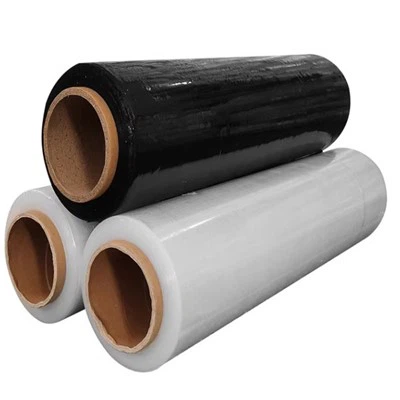
When it comes to the world of packaging and shipping, industrial stretch film is an indispensable tool. As a supplier of Industrial Stretch Film, I've encountered numerous queries about its standard width. In this blog post, I'll delve into the details of what constitutes the standard width of industrial stretch film, why it matters, and how it can impact your packaging operations.
Understanding Industrial Stretch Film
Industrial stretch film, also known as pallet wrap, is a highly stretchable plastic film used to wrap products and pallets for storage and transportation. It is designed to provide stability and protection to the items being wrapped, preventing them from shifting, falling, or getting damaged during handling and transit. Stretch films are made from various materials such as polyethylene (PE), which offers excellent stretchability, clarity, and tear resistance.
Stretch Films come in different types, including hand stretch film and Machine Stretch Wrap Film. Hand stretch film is typically used for smaller-scale operations or when manual application is required. It is easy to handle and can be applied by hand without the need for specialized equipment. On the other hand, machine stretch wrap film is designed for use with pallet wrapping machines, which can significantly increase the efficiency and speed of the wrapping process, especially in high-volume operations.
Standard Widths of Industrial Stretch Film
The standard widths of industrial stretch film can vary depending on the application, industry requirements, and regional preferences. However, there are some common widths that are widely used in the market.


Common Hand Stretch Film Widths
- 15 inches (381 mm): This is a popular width for hand stretch film, especially in small to medium-sized businesses. It is versatile and can be used to wrap a variety of products, including boxes, cartons, and small pallets.
- 18 inches (457 mm): Another commonly used width for hand stretch film, 18 inches provides a bit more coverage than the 15-inch width, making it suitable for larger items or when a thicker layer of protection is needed.
- 20 inches (508 mm): This width is often used in industries where larger pallets or irregularly shaped items need to be wrapped. It offers a wider coverage area and can help reduce the number of passes required to wrap a pallet.
Common Machine Stretch Wrap Film Widths
- 24 inches (610 mm): This is one of the most standard widths for machine stretch wrap film. It is widely used in automated pallet wrapping machines and is suitable for a variety of pallet sizes. The 24-inch width provides a good balance between coverage and efficiency, allowing for quick and effective wrapping of pallets.
- 30 inches (762 mm): For larger pallets or when a greater amount of film is needed to secure the load, the 30-inch width is a popular choice. It can cover a wider area in a single pass, reducing the overall wrapping time and improving productivity.
- 31 inches (787 mm): This width is also commonly used in industrial applications, especially in industries where specific pallet sizes or wrapping requirements call for a slightly wider film.
Factors Influencing the Choice of Width
Several factors should be considered when choosing the appropriate width of industrial stretch film for your packaging needs.
Pallet Size
The size of the pallet is one of the primary factors that determine the width of the stretch film to use. A wider film is generally required for larger pallets to ensure complete coverage and proper securing of the load. For example, if you are wrapping a standard 40 x 48-inch pallet, a 24-inch or 30-inch width film may be suitable. However, for smaller pallets or individual items, a narrower width such as 15 inches or 18 inches may be sufficient.
Product Shape and Dimensions
The shape and dimensions of the products being wrapped also play a role in determining the film width. Irregularly shaped items or products with protrusions may require a wider film to ensure that all parts of the load are properly covered and secured. Additionally, if the products are stacked high on the pallet, a wider film can help prevent the film from tearing or losing tension during the wrapping process.
Wrapping Method
The method of wrapping, whether by hand or using a machine, can also impact the choice of film width. Hand wrapping requires a film that is easy to handle and maneuver, so narrower widths may be more practical. Machine wrapping, on the other hand, can handle wider films more efficiently, allowing for faster and more consistent wrapping.
Industry Standards and Regulations
Some industries may have specific standards or regulations regarding the use of stretch film for packaging. These standards may include requirements for film width, thickness, and strength to ensure the safety and integrity of the products during transportation. It is important to comply with these standards to avoid potential issues or penalties.
Benefits of Using the Right Width
Using the correct width of industrial stretch film offers several benefits for your packaging operations.
Improved Load Stability
A properly sized film ensures that the products are tightly wrapped and secured to the pallet, reducing the risk of shifting or falling during transit. This helps to prevent damage to the products and ensures that they arrive at their destination in good condition.
Increased Efficiency
Using the right width of film can improve the efficiency of the wrapping process. A wider film allows for more coverage in a single pass, reducing the number of times the film needs to be applied and saving time and labor. Additionally, with machine wrapping, the correct film width ensures smooth operation of the wrapping machine, minimizing downtime and maximizing productivity.
Cost Savings
By using the appropriate width of film, you can avoid waste and reduce costs. Using a film that is too wide for the application can result in excess film being used, which not only increases material costs but also adds unnecessary weight to the shipment. On the other hand, using a film that is too narrow may require multiple passes to wrap the pallet, increasing labor costs and potentially compromising the integrity of the load.
Conclusion
In conclusion, the standard width of industrial stretch film can vary depending on the specific application, pallet size, product shape, and wrapping method. As a supplier of Industrial Stretch Film, I understand the importance of choosing the right width to meet your packaging needs effectively. Whether you are a small business looking for a reliable hand stretch film or a large industrial operation in need of high-volume machine stretch wrap film, we have a wide range of options available to suit your requirements.
If you are interested in learning more about our industrial stretch film products or need assistance in choosing the right width for your application, please feel free to contact us. Our team of experts is ready to provide you with comprehensive information and support to help you make the best decision for your business. We look forward to the opportunity to work with you and assist you in optimizing your packaging operations.
References
- Packaging Machinery Manufacturers Institute (PMMI). (2023). Stretch Wrapping Technology Handbook.
- European Committee for Standardization (CEN). (2022). EN 1343: Packaging - Flexible sheets for wrapping pallets - Determination of characteristics.
- American Society for Testing and Materials (ASTM). (2022). ASTM D4649 - 17 Standard Specification for Stretch Wrap Film for Unitizing Loads.