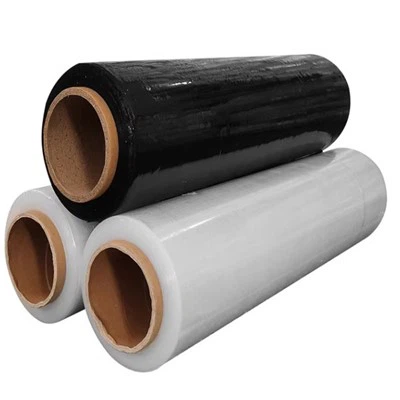
Stretch wrap plastic film is a versatile and essential product in various industries, from logistics and warehousing to manufacturing and retail. As a supplier of stretch wrap plastic film, I understand the importance of proper storage to maintain its quality and performance. In this blog post, I will share some valuable tips on how to store stretch wrap plastic film properly.
Understanding the Characteristics of Stretch Wrap Plastic Film
Before delving into storage methods, it's crucial to understand the properties of stretch wrap plastic film. Stretch wrap is typically made from polyethylene, a thermoplastic polymer known for its flexibility, strength, and durability. It comes in different types, such as Anti Static Stretch Film, Clear Stretch Wrap Film, and Pallet Wrapping Film, each designed for specific applications.


The film's performance can be affected by various factors, including temperature, humidity, and exposure to light. Improper storage can lead to issues such as degradation, loss of stretchability, and reduced adhesion, which can ultimately impact its effectiveness in wrapping and securing loads.
Ideal Storage Conditions
To ensure the longevity and quality of stretch wrap plastic film, it's essential to store it in an environment that meets the following conditions:
Temperature
Stretch wrap plastic film should be stored at a moderate temperature, ideally between 50°F (10°C) and 80°F (27°C). Extreme temperatures can cause the film to become brittle or lose its elasticity. For example, storing the film in a hot warehouse during the summer months can lead to premature aging and reduced performance. On the other hand, cold temperatures can make the film stiff and difficult to stretch.
Humidity
High humidity can cause the film to absorb moisture, which can affect its adhesion and clarity. It's recommended to store the film in a dry environment with a relative humidity of less than 60%. If the storage area is prone to high humidity, consider using dehumidifiers or moisture-absorbing materials to maintain a suitable environment.
Light Exposure
Prolonged exposure to sunlight or artificial light can cause the film to degrade and lose its strength. Store the film in a dark or dimly lit area to minimize the effects of light. If possible, use opaque storage containers or cover the film with a light-blocking material.
Storage Methods
Once you have identified the ideal storage conditions, it's time to consider the best storage methods for stretch wrap plastic film. Here are some tips to help you store the film effectively:
Use Shelving or Racks
Storing the film on shelves or racks is a convenient and efficient way to keep it organized and easily accessible. Make sure the shelves or racks are sturdy and can support the weight of the film rolls. Arrange the rolls in a single layer to prevent them from crushing or damaging each other.
Store in Original Packaging
Whenever possible, keep the film in its original packaging. The packaging is designed to protect the film from dust, moisture, and light. If the original packaging is damaged, consider using a protective cover or storage container to keep the film safe.
Avoid Stacking Heavy Objects on the Film
Stacking heavy objects on top of the film rolls can cause them to deform or damage. To prevent this, store the film in a dedicated area where it won't be subjected to excessive pressure. If you need to stack the rolls, make sure to use a suitable spacer or cushioning material to distribute the weight evenly.
Rotate the Stock
To ensure that the film is used in a timely manner, it's important to rotate the stock regularly. Use the first-in, first-out (FIFO) method to ensure that the oldest film is used first. This helps to prevent the film from sitting in storage for too long and reduces the risk of degradation.
Handling and Transportation
In addition to proper storage, it's also important to handle and transport the stretch wrap plastic film carefully to avoid damage. Here are some tips to keep in mind:
Use Proper Lifting Techniques
When handling the film rolls, use proper lifting techniques to avoid strain or injury. Bend your knees and lift with your legs, rather than your back. If the rolls are too heavy to lift manually, use a forklift or other mechanical equipment.
Protect the Film During Transportation
When transporting the film, make sure to secure it properly to prevent it from shifting or falling. Use straps or other restraints to hold the rolls in place. If the film is being transported in a truck or trailer, make sure the vehicle is clean and dry to prevent contamination.
Inspect the Film Before Use
Before using the film, inspect it for any signs of damage or degradation. Look for tears, holes, or discoloration. If the film appears to be damaged, do not use it. Instead, contact your supplier for a replacement.
Conclusion
Proper storage of stretch wrap plastic film is essential to maintain its quality and performance. By following the tips outlined in this blog post, you can ensure that your film remains in good condition and is ready to use when you need it. Remember to store the film in a suitable environment, use proper storage methods, handle and transport it carefully, and inspect it before use.
If you have any questions or need further information about storing stretch wrap plastic film, please don't hesitate to contact us. We are a leading supplier of stretch wrap plastic film and can provide you with the products and expertise you need to meet your packaging requirements.
References
- "Plastic Film Packaging: Properties, Processing, Applications, and Regulations" by John H. Han and Soo-Jin Park
- "Handbook of Plastic Films" by Michael Tolinski