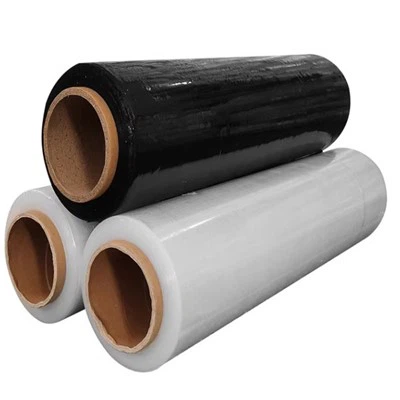
Hey there! As a supplier of Pallet Wrapping Film, I often get asked about the recommended tension when wrapping a pallet. It's a crucial aspect that can significantly impact the safety and stability of your palletized loads. In this blog, I'll share some insights on this topic to help you make the most out of your pallet wrapping process.
Understanding the Importance of Tension
First off, let's talk about why tension matters. When you're wrapping a pallet, the right tension ensures that the goods are held firmly in place during transit and storage. If the tension is too low, the film won't hold the load tightly, and items can shift or fall off. On the other hand, if the tension is too high, it can damage the products or even the pallet itself. So, finding that sweet spot is key.
Factors Affecting the Recommended Tension
There are several factors that can influence the ideal tension for wrapping a pallet. Here are some of the main ones:


1. Type of Goods
The nature of the products on the pallet plays a big role. Fragile items like glassware or electronics require a lower tension to prevent damage. You don't want to squeeze them too hard. On the contrary, heavy and sturdy items like bricks or machinery can handle higher tension.
2. Pallet Size and Shape
The dimensions and shape of the pallet also matter. Larger pallets may need more tension to secure the load properly, especially if the goods are spread out. Irregularly shaped pallets can be trickier to wrap, and you might need to adjust the tension accordingly.
3. Wrapping Equipment
Whether you're using a hand wrap or a machine can affect the tension. Machine wrapping generally allows for more consistent tension compared to hand wrapping. If you're using a Machine Wrap Stretch Film, the machine can be set to apply a specific tension level.
4. Storage and Transportation Conditions
If the pallets are going to be stored for a long time or transported over long distances, you may need to increase the tension slightly to ensure the load stays intact. Harsh environmental conditions, such as high humidity or extreme temperatures, can also impact the film's performance and the required tension.
Recommended Tension Ranges
Now, let's get into the numbers. While there's no one-size-fits-all answer, here are some general guidelines for different types of loads:
1. Light and Fragile Loads
For loads that are light and fragile, a tension of around 10 - 20% stretch is usually recommended. This gentle tension holds the items in place without causing damage. For example, if you're wrapping a pallet of delicate ceramics, you'd want to keep the tension on the lower end of this range.
2. Medium Loads
Medium-sized and moderately heavy loads typically require a tension of 20 - 30% stretch. This level of tension provides a good balance between securing the load and not over-tightening. Items like boxes of office supplies or small appliances fall into this category.
3. Heavy and Sturdy Loads
Heavy loads, such as pallets of construction materials or industrial equipment, can handle a higher tension of 30 - 40% stretch. This ensures that the load remains stable during handling and transportation.
How to Measure and Adjust Tension
If you're using a machine to wrap your pallets, most modern wrapping machines have settings to adjust the tension. You can usually find a control panel where you can set the desired percentage of stretch. It's a good idea to do some test wraps with a small load to fine-tune the tension before wrapping a full pallet.
For hand wrapping, it's a bit more subjective. You can get a feel for the tension by how much resistance you encounter when pulling the film. If it's too easy to pull, the tension is probably too low. If it's extremely difficult to pull, the tension is too high.
Benefits of Using the Right Tension
Using the recommended tension when wrapping pallets offers several benefits:
1. Improved Load Stability
The right tension keeps the load firmly in place, reducing the risk of items shifting or falling during transit. This can prevent damage to the products and ensure they arrive at their destination in good condition.
2. Cost Savings
By using the correct tension, you can avoid overusing the film. Over-tightening can cause the film to break or tear, leading to wasted material. Using the right amount of tension means you use just the right amount of Pallet Stretch Wrap Plastic Film, saving you money in the long run.
3. Enhanced Safety
A well-wrapped pallet with the right tension is safer to handle. It reduces the risk of accidents caused by loose or unstable loads, protecting your employees and equipment.
Conclusion
In conclusion, finding the recommended tension when wrapping a pallet is crucial for the safety, stability, and cost-effectiveness of your palletizing process. By considering factors like the type of goods, pallet size, wrapping equipment, and storage conditions, you can determine the ideal tension for your specific needs.
If you're looking for high-quality Machine Stretch Wrap Film or other pallet wrapping solutions, we're here to help. Our team of experts can provide you with the right products and advice to ensure your pallet wrapping process is efficient and effective. Don't hesitate to reach out to us to discuss your requirements and start a procurement conversation.
References
- Packaging Machinery Manufacturers Institute (PMMI). (2023). Best Practices for Pallet Wrapping.
- International Safe Transit Association (ISTA). (2023). Guidelines for Palletized Loads.